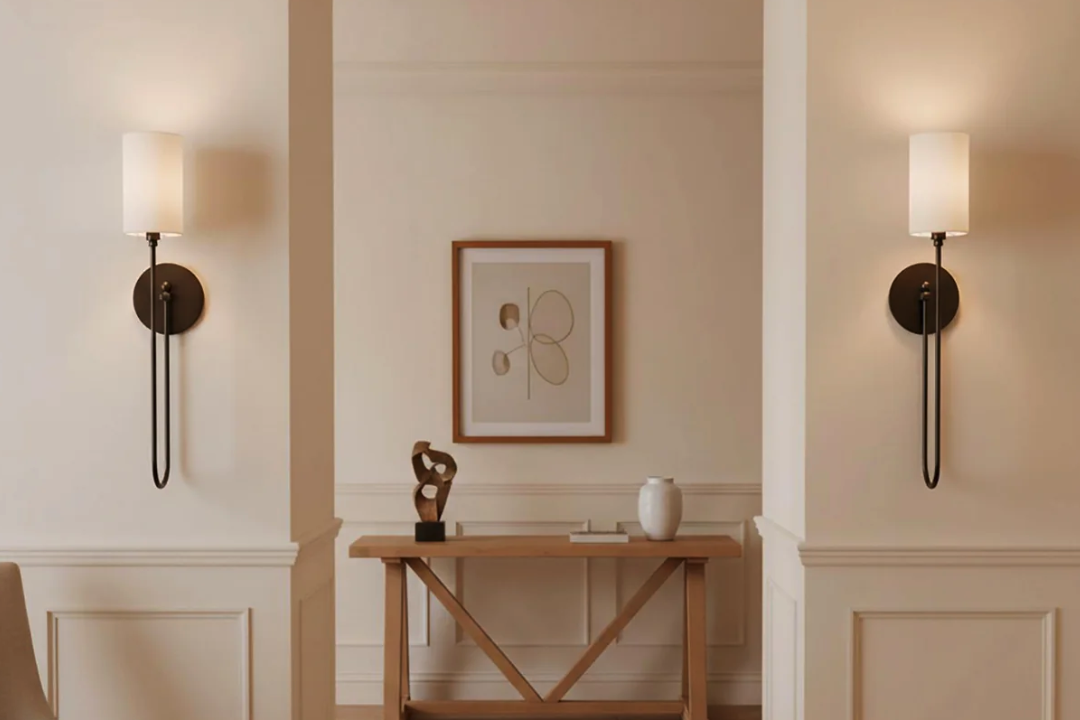
Thinking about adding a touch of warmth and character to your hallway? A wall sconce with a parchment shade might be just the ticket. It’s a simple yet effective way to elevate the often-overlooked entry to your home, offering a soft, diffused light that feels welcoming and sophisticated.
The Allure of Parchment Shades
Why parchment, you ask? It’s not just about looks. Parchment shades have a unique quality that sets them apart. They provide a warm, inviting glow that’s much softer than harsh overhead lighting. This creates a more intimate and cozy atmosphere, making your hallway feel less like a pass-through and more like an extension of your living space. Plus, the natural texture of parchment adds a subtle touch of elegance and an organic feel, bridging the gap between rustic charm and modern design.
Why a Hallway Sconce is a Smart Choice
Hallways can be tricky spaces. They often lack natural light and can feel a bit cramped or utilitarian. Wall sconces Kensulighting offer a fantastic solution. They take up no floor space, keeping walkways clear and making the area feel more open. They also provide targeted lighting, illuminating the space without overpowering it, which is perfect for navigating the hall safely and setting a particular mood.
Aesthetics and Ambiance: The Parchment Advantage
When it comes to creating ambiance, parchment shades excel. The way they diffuse light is truly special. Instead of a direct beam, you get a much more gentle radiance. This softer light can make walls appear smoother, hide minor imperfections, and contribute to an overall feeling of calm and welcome. For a hallway, this translates to a more inviting entrance and a more pleasant transition from the outside world to the comfort of your home.
Practical Considerations: Powering Your Sconce
The practicalities of installing and powering your wall sconces are a key part of the process. There are a few common routes you can take, each with its own advantages.
Wired to the Mains
This is the most permanent and often the most aesthetically seamless option.
Professional Electrician Required
Running wires directly from your home’s electrical supply to the sconce location usually requires a professional electrician. They can safely ensure the wiring is up to code, properly grounded, and connected to the appropriate circuit.
Concealed Wiring for a Clean Look
The biggest advantage of hardwiring is that the wires are completely hidden. This results in a clean, uncluttered look that truly enhances the visual appeal of the sconce and the wall it’s mounted on. No visible cords means a more polished finish.
Consistent and Reliable Power
Once hardwired, your sconce will have a constant and reliable power source. You won’t have to worry about batteries dying or cords being unplugged accidentally. It’s a set-it-and-forget-it solution in terms of power.
Dimmer Compatibility
Hardwired sconces are typically compatible with dimmer switches. This gives you incredible control over the lighting intensity, allowing you to adjust the mood from bright and functional to soft and ambient, depending on your needs and the time of day.
Cost and Installation Time
The primary downside here is the cost of professional installation and the time it takes. It’s an upfront investment, both in money and potentially in making minor alterations to your walls.
Plug-In Options
For those who prefer a less permanent or DIY-friendly approach, plug-in sconces are a great alternative.
Easy DIY Installation
Plug-in sconces are designed for straightforward installation. You simply mount the bracket to the wall, attach the sconce, and plug it into a nearby electrical outlet. No complex wiring or electrical knowledge is usually required.
Flexibility in Placement
The major advantage of plug-in sconces is their flexibility. You can easily move them to a different location if you decide to redecorate or rearrange your hallway layout. This makes them ideal for renters or those who like to change their décor frequently.
Visible Cords and Cord Management
The trade-off for the ease of installation and flexibility is the visible cord. You’ll need to consider how to manage this cord to keep it from being an eyesore.
Using Cord Covers
Specialized cord covers, often made of plastic or fabric and available in various colors, can be attached to the wall to conceal the power cord. They help blend the cord into the wall color or décor.
Decorative Cord Techniques
Some people get creative with their cords, using them as a design element. This might involve weaving them along a wall pattern or using decorative clips.
Strategic Placement to Hide Cords
Thinking strategically about where the sconce is placed in relation to furniture or architectural features can help you hide the cord naturally. For example, placing a console table in front of the outlet.
Battery-Powered Sconces
For areas where even a plug-in cord is undesirable, battery-powered sconces offer the ultimate in placement freedom.
Cordless Convenience
The main selling point is complete freedom from any cords. This allows for a truly minimalist and clean aesthetic, as there’s nothing to see but the sconce itself.
Battery Life Considerations
You’ll need to be mindful of battery life. Depending on the sconce and the type of batteries used, you may need to replace or recharge them periodically. This is less of a concern for decorative accent lighting compared to primary illumination.
Light Output and Brightness
Battery-powered sconces might not offer the same level of brightness as wired or plug-in options. They are often best suited for accent lighting or areas where a very soft glow is desired.
Choosing the Right Parchment Shade Sconce for Your Hallway
Selecting the perfect parchment shade sconce involves thinking about both aesthetics and the specific needs of your hallway.
Style and Design
The style of the sconce itself is crucial in complementing your home’s overall décor.
Traditional Elegance
Many parchment shade sconces have a classic, timeless design. Look for options with ornate metalwork (like brass or bronze finishes) and a more conical or bell-shaped shade for a traditional feel. These can add a touch of vintage charm to older homes or lend a sophisticated air to newer ones.
Modern Simplicity
For a more contemporary look, opt for sconces with clean lines and minimalist hardware. Often, these feature brushed nickel, chrome, or matte black finishes. The parchment shade might be more cylindrical or a simple drum shape, emphasizing the texture of the material rather than embellishments.
Transitional Appeal
A transitional style bridges the gap between traditional and modern. These sconces might feature a subtle metal accent, a slightly more relaxed shape to the shade, or a pairing of materials that feels both current and enduring. They are often a safe bet for most home styles.
Size and Scale
Getting the size right is key to a balanced look.
Hallway Width and Length
In a narrow hallway, a smaller, more streamlined sconce is usually best to avoid overwhelming the space. In a wider or longer hallway, you might have room for slightly larger sconces or could opt for a pair spaced further apart.
Ceiling Height
For lower ceilings, a sconce with a shallower profile or one that mounts closer to the wall is preferable. High ceilings can accommodate sconces with a bit more depth or presence.
Proportionality to Other Elements
Consider the scale of other items in your hallway, such as artwork, consoles, or mirrors. The sconce should be in proportion to these elements, not significantly larger or smaller.
Color and Finish
The color of the parchment and the metal finish of the sconce can significantly impact the overall look and feel.
Parchment Tones
Parchment shades naturally come in creamy off-whites and subtle yellows. Some may have a more uniform color, while others might showcase the organic flecks and textures inherent to the material. Consider if you want a bright, clean look or a warmer, more aged appearance.
Metal Finishes
- Brass and Bronze: These warmer metals lend themselves well to traditional and vintage styles, adding a touch of richness.
- Brushed Nickel and Chrome: Cooler finishes that are perfect for modern and contemporary spaces, offering a sleek and understated look.
- Matte Black: A versatile option that works well in a variety of styles, from industrial to modern farmhouse, providing a strong, graphic contrast.
Placement Strategies for Maximum Impact
Where you place your parchment shade wall sconce can make a significant difference in how it’s perceived and how it functions.
Enhancing Entryways
The hallway is the first impression of your home.
Framing the Front Door (Interior Side)
Placing sconces on either side of your interior front door can create a welcoming frame and immediately signal a sense of warmth and hospitality as guests enter.
Illuminating a Console Table
If you have a console table in your entryway hallway, a sconce mounted above it can serve as both ambient lighting and a stylish accent, drawing attention to displayed decorative items or photographs.
Creating Flow and Defining Spaces
Hallways often connect different parts of the house.
Along Longer Hallways
In a long, potentially narrow hallway, strategically placed sconces can break up the monotony of the wall and create a sense of progression. Spacing them evenly can guide the eye and make the hallway feel less like a tunnel.
Marking Turns or Corners
Use a sconce to subtly highlight a turn in the hallway or to visually break up a corner, preventing it from feeling like a dead space.
Accentuating Architectural Features
Your hallway might have unique elements worth highlighting.
Around Mirrors or Artwork
A sconce positioned near a prominent mirror or a piece of artwork can enhance its visual appeal, casting a gentle light that accentuates the details and draws the viewer’s eye.
Near Staircases
For safety and aesthetic reasons, sconces can be placed on hallway walls adjacent to staircases, providing both necessary illumination for descending or ascending and a decorative touch.
Integrating with Other Lighting and Décor
A wall sconce is rarely the sole light source.
Layering Light for Ambiance
Don’t rely on just one type of light.
Combining with Overhead Lighting
If you have overhead lighting, use the sconce as a secondary layer. Turn off the overhead lights and use the sconce for a softer, more intimate mood, especially in the evenings.
Complementing Table and Floor Lamps
In larger hallways or adjacent living areas, the sconce can work with other lamps to create a cohesive lighting scheme that feels warm and inviting.
Harmonizing with Your Color Palette and Textures
The parchment hue and the sconce’s materials should tie into your existing décor.
Warm Neutral Palettes
Parchment shades naturally complement warm neutral color schemes, such as beige, cream, and earth tones. They can also provide a gentle contrast against cooler neutrals like grey.
Adding Texture
The natural texture of parchment adds an organic element. Consider other textures in your hallway – perhaps a woven rug, a textured wallpaper, or wooden furniture – and how the sconce can contribute to this tactile richness.
Metal Finish Coordination
Ensure the metal finish of your sconce harmonizes with other metal accents in your home (e.g., door handles, furniture legs, picture frames). Consistency creates a polished look.
Maintenance and Care for Your Parchment Shades
Keeping your sconces looking their best is straightforward.
Dusting Regularly
The most important aspect of maintenance is regular dusting.
Soft Brush or Microfiber Cloth
Use a soft brush or a dry microfiber cloth to gently remove dust buildup from the parchment shade and the sconce fixture. Avoid abrasive materials that could scratch the finish.
Gentle Wiping for Grime
For any minor smudges or grime, slightly dampen a microfiber cloth with water. Wring it out thoroughly so it’s almost dry, and then gently wipe the shade. Avoid excessive moisture.
Avoiding Direct Sunlight
Parchment, like many natural materials, can fade or degrade with prolonged exposure to direct sunlight.
Placement Considerations
If your hallway has windows that receive direct sun for extended periods, consider this when placing your sconces or opt for shades that offer UV protection if available.
Shade Rotation (if applicable)
While not common for wall sconces, if you find one section of the shade is consistently exposed to more light, you could theoretically rotate it slightly if the design allows, though this is rarely practical for wall-mounted fixtures.
Bulb Choice Matters
The type of bulb you use can impact both the light quality and the longevity of your shade.
LED Bulbs are Ideal
LED bulbs are highly recommended. They generate very little heat, which is crucial for parchment shades to prevent discoloration or damage over time. They are also energy-efficient and long-lasting.
Avoid High-Wattage Incandescent Bulbs
Traditional incandescent bulbs produce a significant amount of heat. Using high-wattage ones directly against a parchment shade is a recipe for discoloration and potential fire hazard. Always check the maximum wattage recommended for your sconce and shade.
Professional Cleaning (When Needed)
For stubborn issues, professional help might be an option.
Severe Stains or Discoloration
If a shade becomes severely stained or discolored, it might be difficult to restore it perfectly at home. In some cases, replacing the shade itself might be more practical than attempting extensive cleaning.
Consult the Manufacturer
If you’re unsure about how to clean a specific type of parchment shade, it’s always best to consult the manufacturer’s care instructions or reach out to them for advice.
By following these simple guidelines, your parchment shade wall sconces will continue to cast their warm, inviting glow for years to come, making your hallway a much more welcoming and stylish part of your home.