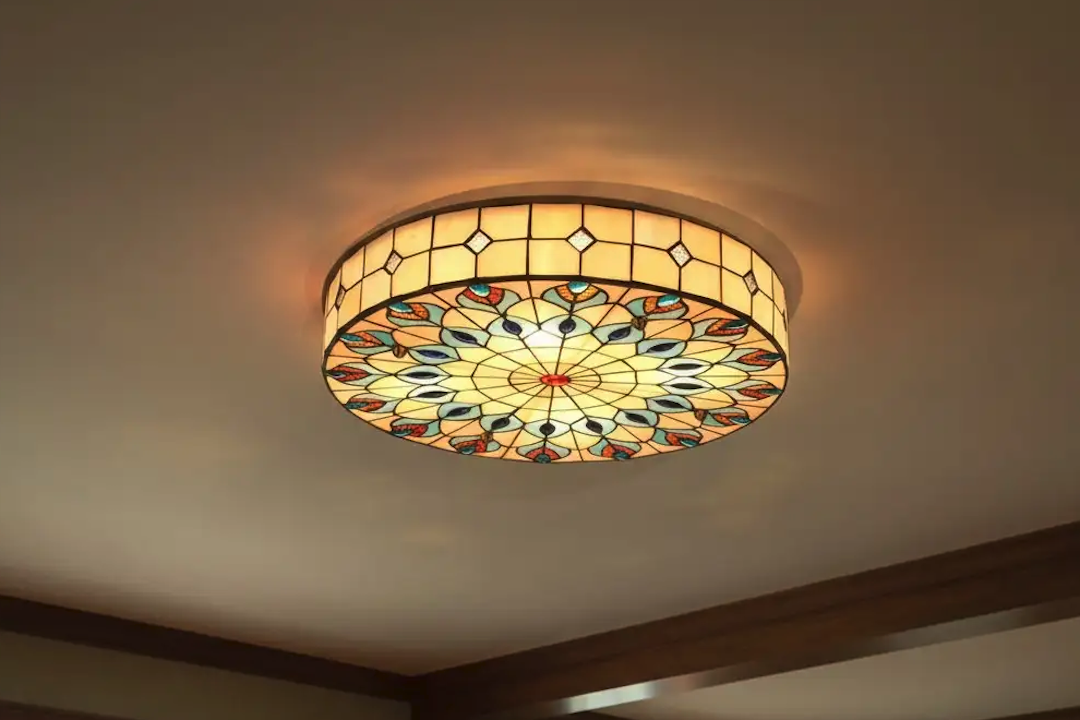
So, you’re wondering if a vintage stained glass Moroccan ceiling lamp is a good fit for your dining room. The short answer is yes, absolutely! It can be a stunning and unique addition, adding warmth, character, and a touch of exotic flair. But like any design choice, it comes with considerations regarding style, practicality, and how it integrates with your existing space.
Let’s dive into the details and see if this particular piece of lighting magic is right for your home.
There’s something undeniably captivating about Moroccan stained glass. It’s more than just a light fixture Biosaglighting; it’s a piece of art, a conversation starter, and a focal point that can transform the entire ambiance of a room.
A Rich History in Every Pane
These lamps aren’t just trendy; they carry centuries of craftsmanship and cultural heritage. Originating from Islamic art and architecture, the intricate patterns and vibrant colors were designed not just for illumination but to create a sense of wonder and spiritual reflection. Each piece tells a story, often handcrafted with painstaking detail, making it a unique treasure rather than a mass-produced item.
The Warmth of Diffused Light
Unlike stark, direct lighting, Moroccan stained glass lamps cast a soft, diffused glow. The colored glass filters the light, creating patterns and shadows that dance across the walls and ceiling. This isn’t just illumination; it’s an experience. In a dining room, this soft light is particularly inviting, making meals feel more intimate and comfortable. It’s the kind of lighting that encourages lingering conversation and relaxed atmospheres.
Is It Right for Your Dining Room?
Before you click “add to cart,” let’s think about how a vintage stained glass Moroccan lamp would integrate with your specific dining room. It’s about creating harmony, not just adding a standalone piece.
Matching Your Decor Style
While these lamps have a distinct look, they’re surprisingly versatile.
Bohemian and Eclectic Themes
This is where Moroccan lamps truly shine. If your dining room embraces a mix of textures, patterns, and global influences, a stained glass lamp will feel perfectly at home. It reinforces the relaxed, artistic vibe and adds another layer of visual interest to your curated collection of treasures. Think layered rugs, patterned textiles, and a mix of furniture styles.
Mediterranean and North African Inspired Spaces
Naturally, if you’re leaning into a Mediterranean, Moorish, or North African aesthetic, these lamps are a natural fit. They enhance the authenticity of the design, bringing in traditional elements that tie the whole room together. Imagine terracotta hues, intricate tile work, and rich wooden furniture.
Transitional and Modern Spaces (with a twist!)
Don’t dismiss them for more contemporary settings! A single, well-chosen Moroccan lamp can act as a striking focal point in a transitional or even minimalist dining room. It provides a burst of color and texture, breaking up otherwise sleek lines and adding an unexpected, artistic touch. The key here is to use it as an accent piece, letting it stand out rather than blending in. It’s about contrast and deliberate choice. For example, a crisp white dining room with a Moroccan lamp can be stunning.
Rustic and Farmhouse Styles
While not an obvious pairing, a larger, more simply patterned Moroccan lamp can surprisingly complement rustic decor. The handcrafted nature resonates with the “made by hand” ethos of farmhouse style. The warm light can also enhance the natural wood tones often found in these spaces. Avoid overly ornate designs here and opt for something more earthy in its color palette.
Size and Scale Considerations
This is crucial. A lamp that’s too small will get lost, and one that’s too large can overwhelm the space.
Ceiling Height Matters
If you have low ceilings, a flush or semi-flush mount Moroccan lamp might be a better choice than a long pendant. You don’t want people bumping their heads, nor do you want the room to feel cramped. Measure carefully. For higher ceilings, a longer pendant can create a dramatic cascading effect, drawing the eye upwards and utilizing the vertical space.
Dining Table Dimensions
The lamp should be proportionate to your dining table. As a general rule of thumb, the width of your chandelier or pendant should be about half to two-thirds the width of your dining table. This creates a balanced look. If your table is long, you might consider two smaller Moroccan pendants rather than one large one. This keeps the light evenly distributed and maintains visual harmony.
Room Size as a Whole
Consider the overall dimensions of your dining room. A very large, ornate lamp in a small room might feel imposing, while a tiny lamp in a vast space will simply disappear. Step back and visualize how the lamp will occupy that space.
Practicalities of Installation and Maintenance
Beyond aesthetics, there are some practical aspects to consider when bringing a vintage Moroccan lamp into your dining room.
Installation Challenges (Sometimes)
Vintage lamps, especially those imported directly, can sometimes present unique installation requirements.
Wiring and Electrical Standards
Older lamps might have different wiring standards than modern ones. It’s always best to have a qualified electrician inspect and install the fixture, especially if it’s genuinely vintage. They can ensure it’s safely wired to your home’s electrical system and compliant with local codes. They may need to replace old wiring or components. Don’t gamble with electricity!
Weight and Support
Some of these lamps, particularly those with heavy metal frameworks and many glass pieces, can be quite heavy. Ensure your ceiling can support the weight. An electrician will typically confirm this, possibly recommending additional bracing if needed. This is not a DIY task for a heavy fixture.
Chain Length and Adjustability
Consider how much chain or rod length you need to hang the lamp at the ideal height above your dining table (typically 30-36 inches from the bottom of the fixture to the tabletop). Make sure the lamp you choose can be adjusted to this height. Some vintage pieces have fixed lengths.
Cleaning and Care
Keeping your stained glass beautiful requires a bit of attention.
Dusting with Care
Regular, gentle dusting is key. A soft, dry microfiber cloth or a feather duster is usually sufficient. Avoid abrasive materials that could scratch the glass or metalwork.
Occasional Deeper Clean
For a more thorough clean, especially if there’s any grime or sticky residue, use a very mild soap solution (like a drop of dish soap in warm water) on a soft cloth. Wring the cloth out thoroughly so it’s barely damp, then gently wipe the glass. Immediately follow with a dry, clean cloth to prevent water spots. Avoid spraying cleaners directly onto the lamp, as moisture can get into crevices and affect wiring or patinas. Never use harsh chemical cleaners, as they can damage both the glass and the metal.
Metal Patina Maintenance
The metal framework (often brass, copper, or iron) might develop a patina over time, which many people appreciate for its vintage charm. If you prefer a shinier look, use a suitable metal polish sparingly and always test it on an inconspicuous area first. For an authentic vintage look, embrace the patina!
Finding Your Perfect Vintage Piece
The “vintage” aspect adds another layer of excitement and a few considerations.
Where to Look for Authentic Gems
Finding a truly vintage or high-quality reproduction can be part of the adventure.
Specialty Lighting Stores
Some upscale lighting stores or those specializing in imported goods will carry authentic Moroccan lamps or very high-quality reproductions. They often have knowledgeable staff who can speak to the lamp’s origin and craftsmanship.
Antique Markets and Flea Markets
This is where treasure hunting comes in! You might find a true vintage piece here. Be prepared to ask questions about its history, condition, and origin. Bargaining might also be an option!
Online Marketplaces (with caution)
Websites like Etsy, eBay, and dedicated vintage decor sites can be great sources.
Reputable Sellers
Look for sellers with excellent reviews, detailed product descriptions, and clear, multiple photos from different angles (including close-ups of any imperfections).
Ask Questions
Don’t hesitate to ask about the lamp’s age, origin, materials, wiring, and any restoration work done. A good seller will be transparent.
Authenticity vs. Reproduction
Understand whether you’re buying a genuinely antique lamp or a newly handmade piece in a vintage style. Both can be beautiful, but the price point and expected condition will differ.
What to Look for in a Vintage Lamp
When evaluating a potential purchase, keep these points in mind.
Condition of the Glass
Check for cracks, chips, or loose pieces of glass. Small imperfections might be part of its vintage charm, but significant damage could impact the lamp’s durability and aesthetic. Ensure the glass pieces are securely set.
Durability of the Metal Frame
Examine the metalwork for rust, severe corrosion, or structural weaknesses. The frame should be robust and stable. Some minor oxidation or patina is expected and often desirable on vintage items.
Electrical Integrity (Especially if truly vintage)
As mentioned, assume any truly old wiring will need to be replaced by an electrician. However, ensure the socket itself is in good condition, or at least replaceable. If a lamp comes with wiring, inquire about its age and functionality.
Craftsmanship and Details
A well-made Moroccan lamp will show attention to detail. Look at the precision of the cuts in the glass, the soldering or lead work, and the intricate patterns of the metal. Hand-hammered details often indicate quality.
Beyond the Dining Room: Maximizing the Effect
While our focus is the dining room, understanding how these lamps fit into larger design principles can only help.
Layering Your Lighting
A Moroccan ceiling lamp should be part of a layered lighting scheme for your dining room, not the sole source.
Ambient Lighting
The stained glass lamp provides beautiful ambient light, creating mood and overall illumination.
Task Lighting
Consider adding dimmable recessed lighting or wall sconces for additional task lighting if you need brighter illumination for activities beyond dining, like homework at the table or crafts.
Accent Lighting
Table lamps on a nearby buffet or sideboard, or even uplighting on plants, can add further depth and interest to the room, complementing the main ceiling fixture. Use dimmers on all light sources for maximum flexibility in setting the mood.
Complementary Decor Elements
To truly make your Moroccan lamp shine, surround it with decor that enhances its beauty.
Textiles and Rugs
Rich, patterned textiles like Moroccan-style rugs, embroidered cushions, or silk drapes can echo the lamp’s intricate patterns and colors. These add softness and absorb sound, creating a more intimate dining experience.
Metallic Accents
Brass, copper, or silver accents (like trays, vases, or candle holders) can pick up on the metals in the lamp, creating a cohesive look. Polished or intentionally tarnished metals can both work, depending on the desired effect.
Warm Wood Tones
Dark, rich wood furniture (like a dining table or sideboard) provides a beautiful contrast to the colorful glass and metal, grounding the exotic feel of the lamp with natural warmth.
Plants and Greenery
Lush indoor plants, especially those with interesting textures or trailing vines, can add a touch of organic life that beautifully contrasts with the angular designs of the lamp. Consider grouping plants in decorative pots.
In conclusion, a vintage stained glass Moroccan ceiling lamp can be a truly remarkable addition to your dining room. It’s a piece that offers more than just light; it offers history, artistry, and an unparalleled ambiance. With careful consideration of your decor style, the lamp’s size, and the practicalities of installation and maintenance, you can transform your dining space into a haven of warmth and exotic beauty. Happy hunting!