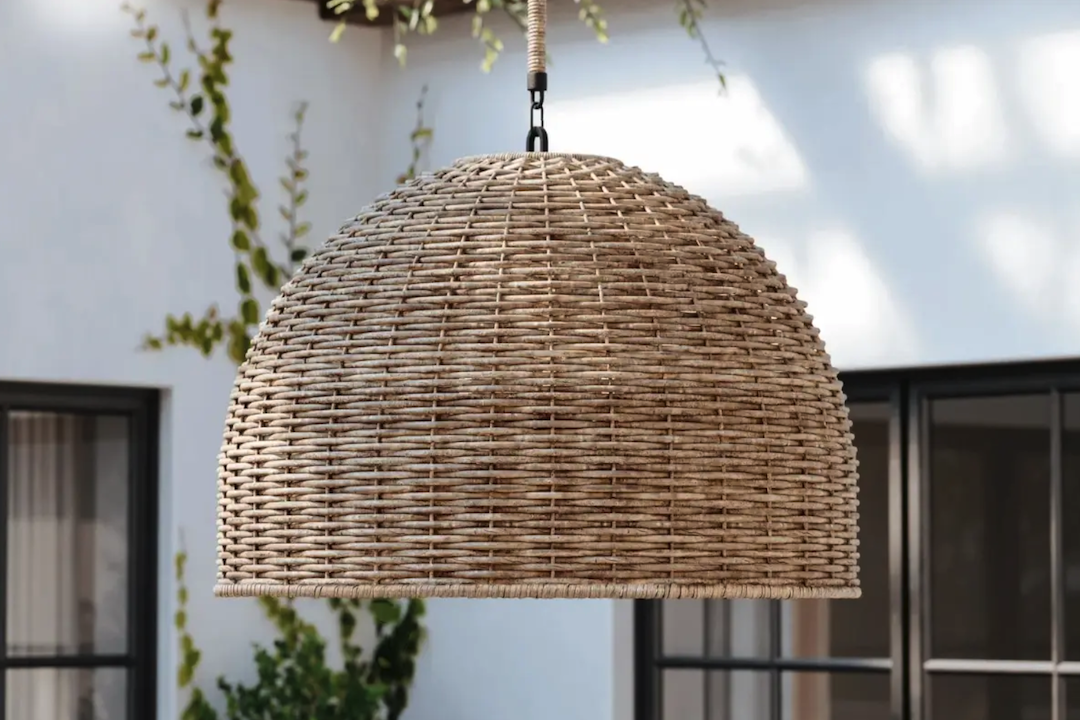
So, you’re looking to brighten up your sunroom, and a woven reed pendant light has caught your eye? Good call! These fixtures are fantastic for adding warmth, texture, and a touch of the outdoors to a naturally lit space. They offer a unique, organic feel that synthetic materials just can’t replicate, diffusing light beautifully and creating a cozy, inviting atmosphere perfect for relaxing or entertaining. In essence, a woven reed pendant light is a stylish, practical, and eco-friendly way to elevate your sunroom’s ambiance.
Let’s break down why these particular Kosakai lights are such a natural fit for sunrooms. It’s more than just aesthetics; it’s about synergy.
Embracing Natural Elements
Sunrooms are all about bringing the outside in, and woven reed lights play right into that. They’re crafted from natural materials like rattan, bamboo, or seagrass, which instantly resonate with the lush greenery and sunlight streaming into your sunroom. This connection to nature helps create a seamless transition between your indoor and outdoor living areas.
- Organic Textures: The intricate weaving patterns of reed lights add depth and visual interest that flat, metallic fixtures simply can’t. This tactile quality makes the space feel more lived-in and comfortable.
- Earth Tones: The natural hues of reed – from warm browns to soft beiges – complement a wide range of color palettes often found in sunrooms, from bright whites to vibrant greens and blues.
Diffused, Inviting Light
One of the stand-out features of woven reed is how it interacts with light. Unlike a harsh, direct downlight, these fixtures soften the glow.
- Gentle Illumination: The weaving creates subtle shadows and patterns, casting a warm, ambient light that’s much more relaxing than bright, unshielded bulbs. This is ideal for a space designed for unwinding.
- Reduced Glare: Sunrooms can sometimes suffer from excessive glare, especially on bright days. A woven pendant helps to mitigate this by filtering and softening the light source.
Eclectic and Versatile Style
Don’t let the “natural” aspect fool you into thinking these lights only work with one specific look. They’re surprisingly adaptable.
- Bohemian Charm: This is probably the most obvious pairing. Reed lights are a cornerstone of bohemian and global-inspired decor, adding a laid-back, well-traveled vibe.
- Coastal & Beach House Feel: Their natural materials and airy designs fit perfectly into coastal themes, evoking a sense of seaside tranquility.
- Modern Organic: Even contemporary sunrooms can benefit. A sculptural reed pendant can act as a natural counterpoint to clean lines and minimalist furniture, adding warmth without sacrificing modern aesthetics.
- Farmhouse & Rustic Appeal: For a more rustic or farmhouse-style sunroom, the raw, unfinished look of some reed lights can complement wooden beams and comfortable furnishings perfectly.
Choosing the Right Woven Reed Pendant for Your Space
With so many options out there, how do you pick the perfect one? It comes down to a few key considerations.
Size Matters: Scale and Proportion
This is crucial. An oversized pendant in a small sunroom will feel overwhelming, while a tiny one in a vast space will look lost.
- Ceiling Height: For higher ceilings, you can generally go with a larger, more dramatic pendant. Lower ceilings might call for a wider but shallower design to maintain head clearance.
- Room Dimensions: A good rule of thumb for general room size is to add the length and width of the room in feet, and that sum in inches can be a guide for the diameter of your pendant. For example, a 10’x12’ room (22 total) could comfortably accommodate a 22-inch diameter pendant. However, this is a guideline, not a strict rule.
- Furniture Groupings: Consider where the light will hang. Over a small seating area, a medium-sized pendant might be perfect. Over a large dining table, you might need a larger single fixture or even a cluster of smaller ones.
Material and Weave: Texture and Durability
While they all fall under “woven reed,” there’s a good amount of variety.
- Rattan: Often comes as a cane (solid) or reed (split). It’s flexible, durable, and very popular for intricate weaves. Rattan lights tend to be lighter in color when natural.
- Bamboo: Known for its strength and rapid growth, making it a sustainable choice. Bamboo lights can range from very open, slatted designs to tighter weaves.
- Seagrass: Offers a softer, sometimes flatter, texture and often has a unique earthy scent when new. It’s typically used for slightly chunkier weaves.
- Wicker: While often used broadly, wicker refers to the method of weaving, not the material itself. It can be made from rattan, bamboo, or even synthetic materials, but in this context, we’re focusing on natural wicker.
- Weave Density: A tighter weave will offer more focused light and stronger shadows, while a looser, more open weave will provide a broader, gentler glow. Think about the mood you want to create.
Style and Shape: Visual Impact
The shape of your pendant dramatically influences the overall feel.
- Drum/Globe: Classic and versatile, these provide an even distribution of light and work well over central areas.
- Bell/Dome: Tends to direct light downwards, making them good for task lighting over a reading nook or a small table.
- Basket/Open Weave: Often more sculptural, creating intriguing patterns of light and shadow, best for ambient lighting.
- Organic/Irregular: These pieces often look like natural sculptures, adding an artistic touch. Great for making a statement.
Installation Considerations for Your Sunroom
Getting your pendant light up correctly is just as important as choosing it. Safety and functionality are key.
Ceiling Compatibility
Before you even buy, take a quick look at your ceiling.
- Electrical Box: Do you have an existing electrical box where you want the light? Is it rated for the weight of your chosen fixture? If not, you may need an electrician to install one, ensuring it’s properly supported.
- Slope: Is your sunroom ceiling sloped? Many pendant lights come with sloped-ceiling adapters, but it’s worth checking to make sure it will hang straight.
Professional vs. DIY
While some confident DIYers might tackle this, safety first.
- Electrician Recommended: If you’re uncomfortable with electrical wiring, unsure about your ceiling’s support, or need new wiring run, a qualified electrician is your best bet. They ensure correct wiring, adherence to codes, and proper mounting.
- Basic Replacements: If you’re simply swapping out an existing light fixture for a new one of similar weight and connection, and you’re comfortable working with electricity (remember to turn off the power at the breaker!), it might be a DIY project. Always follow the manufacturer’s instructions carefully.
Optimal Placement and Height
Where and how high you hang your pendant makes a big difference in light distribution and room flow.
- Over a Dining Table: Aim for the bottom of the pendant to be about 30-36 inches above the tabletop. This provides good illumination without obstructing views or bumping heads. Adjust slightly based on the size of the pendant and your ceiling height.
- Over a Coffee Table/Seating Area: If it’s a primary ambient light, you can hang it higher, often 7-8 feet from the floor, allowing for comfortable walking underneath.
- As an Accent: If it’s more for decorative flair, you might hang it a bit lower to highlight its unique design, ensuring it’s not in a main thoroughfare.
Integrating Your Pendant into the Sunroom Decor
Now that you’ve got your beautiful light, how do you make it sing with the rest of your sunroom?
Complementary Furnishings
Think about how the light will relate to your existing pieces.
- Rugs and Textiles: A jute or sisal rug on the floor will echo the natural texture of your pendant, grounding the space. Throw pillows in natural fabrics like linen or cotton also work well.
- Wood Accents: Wooden furniture, side tables, or picture frames will naturally harmonize with the reed a light.
- Potted Plants: This is a sunroom, so plants are a given! The organic shape and material of the pendant will look fantastic surrounded by lush greenery, enhancing that indoor-outdoor feel.
Color Palettes That Pop
While reed is quite neutral, certain colors help it stand out or blend in beautifully.
- Earthy Tones: Think greens, terracotta, sandy yellows, and creams. These colors create a cohesive, natural sanctuary.
- Crisp Whites & Blues: For a clean, coastal vibe, pair your reed light with white walls, light upholstery, and pops of cerulean or navy.
- Warm Metallics: Brass or woven patinas can add a subtle touch of sophistication without clashing with the organic feel.
Lighting Beyond the Pendant
Your pendant light is likely a star, but don’t forget supporting roles.
- Layered Lighting: Supplement your pendant with other light sources. Floor lamps or table lamps can provide task lighting or additional ambient glow.
- Dimmers: Absolutely essential for a sunroom! Dimmers allow you to adjust the light intensity based on the time of day, natural light availability, and desired mood. You can have bright task lighting when needed and a soft, romantic glow for evenings.
- Smart Bulbs: Consider smart bulbs that allow you to change color temperature – from cool daylight to warm evening light – further enhancing your sunroom’s versatility.
Maintaining Your Woven Reed Pendant Light
These pieces are relatively low maintenance, but a little care goes a long way in keeping them looking fresh.
Regular Cleaning
Dust is the enemy of all light fixtures, especially those with intricate patterns.
- Dusting: A soft brush, a dry microfiber cloth, or even the brush attachment of your vacuum cleaner on a low setting can effectively remove dust. Do this regularly, perhaps weekly or bi-weekly.
- Avoid Harsh Cleaners: Do not use wet cloths or chemical cleaners, as these can damage the natural fibers or leave water marks.
Addressing Minor Wear and Tear
Natural materials can sometimes fray or develop minor issues.
- Loose Strands: If a small piece of reed comes loose, you can often carefully tuck it back into the weave. For more stubborn pieces, a tiny dab of clear craft glue carefully applied might do the trick.
- Fading: Over very long periods, especially if exposed to intense, unfiltered sunlight every day, natural materials might fade slightly. This often adds to their charm, developing a beautiful patina. However, if you want to minimize this, consider window treatments for the sunniest parts of the day.
Bulb Replacement
Sounds obvious, but choose wisely.
- LED is Best: For energy efficiency and longevity, opt for LED bulbs. They also produce less heat, which is good for the natural material of the pendant.
- Color Temperature: Consider “warm white” (2700K-3000K) for a cozy, inviting glow, or “soft white” (3000K-3500K) if you want something slightly brighter but still warm. Avoid “cool white” (4000K+) as it can feel too harsh in a sunroom.
- Wattage: Ensure your bulb wattage (or equivalent for LEDs) doesn’t exceed the fixture’s maximum rating to prevent overheating.
By thoughtfully selecting and integrating a woven reed pendant light into your sunroom, you’re not just adding a fixture; you’re crafting an experience. It’s about creating a space where the boundaries between indoors and out blur, where natural beauty is celebrated, and where every moment feels a little more connected to the earth. Enjoy your beautiful, illuminated sanctuary!