Wabi-style, rooted in Japanese aesthetics, embodies a philosophy that celebrates the beauty of imperfection and the transient nature of life. It is derived from two concepts: “wabi,” which refers to a rustic simplicity and a sense of quietness, and “sabi,” which denotes the beauty that comes with age and wear. Together, these principles create a design ethos that values authenticity, natural materials, and a connection to nature.
Wabi-style is not merely a design trend; it is a way of life that encourages mindfulness and appreciation for the simple, often overlooked aspects of our surroundings. In practical terms, wabi-style manifests in various forms, from architecture to interior design, emphasizing minimalism and functionality. It often features organic shapes, muted colors, and an overall sense of tranquility.
The aesthetic is characterized by an intentional lack of ostentation, where the focus is on the essence of objects rather than their superficial appeal. This approach invites individuals to slow down and engage with their environment, fostering a deeper connection to the spaces they inhabit.
The History of Wabi-Style Design
The origins of wabi-style can be traced back to the 15th century during Japan’s Muromachi period, a time when Zen Buddhism began to influence various aspects of Japanese culture, including art and design. The philosophy of wabi-sabi emerged as a counterpoint to the ornate and elaborate styles that dominated the era. Instead of seeking perfection, artists and craftsmen began to embrace asymmetry, irregularity, and the natural aging process of materials.
This shift was not merely aesthetic; it reflected a deeper understanding of life’s impermanence and the beauty found in simplicity. As wabi-style evolved, it became closely associated with traditional Japanese tea ceremonies, where the focus was on creating a serene atmosphere that encouraged mindfulness and reflection. The tea room itself was often designed with wabi principles in mind, featuring natural materials like bamboo and clay, as well as handmade utensils that showcased the artisan’s skill and the beauty of imperfection.
Over time, wabi-style transcended its cultural roots and began to influence various design movements worldwide, particularly in the realms of minimalism and organic design.
Characteristics of Wabi-Style
Wabi-style is distinguished by several key characteristics that set it apart from other design philosophies. One of the most prominent features is the use of natural materials. Wood, stone, clay, and textiles made from organic fibers are commonly employed in wabi-style interiors.
These materials not only evoke a sense of warmth but also connect inhabitants to the natural world. The textures and colors found in these elements are often muted and earthy, reflecting the palette of nature itself. Another defining aspect of wabi-style is its emphasis on asymmetry and irregularity.
Unlike traditional Western design, which often seeks balance and symmetry, wabi-style embraces the unique qualities of each object. This can be seen in handcrafted pottery that may have slight imperfections or furniture pieces that are intentionally designed with uneven lines. Such irregularities are celebrated as they tell a story about the object’s creation and its journey through time.
Additionally, wabi-style often incorporates open spaces and minimal clutter, allowing for a sense of calm and clarity within a room.
Incorporating Wabi-Style into Your Home Decor
Integrating wabi-style into your home decor involves more than just selecting specific items; it requires a mindset shift towards valuing simplicity and authenticity. One effective way to start is by decluttering your space. Remove items that do not serve a purpose or bring you joy, allowing for a more serene environment that reflects your personal aesthetic.
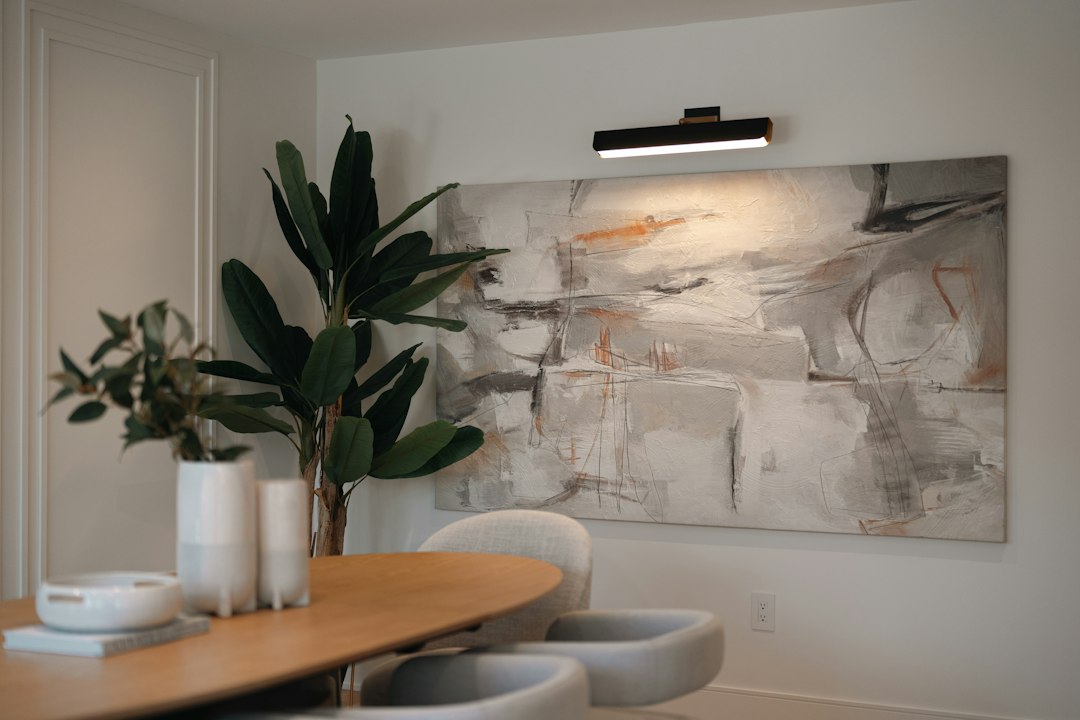
Once you have created a clean slate, consider introducing natural materials into your decor. Wooden furniture with a raw finish or handmade ceramics can serve as focal points that embody the essence of wabi-style. Color plays a crucial role in achieving a wabi-style atmosphere.
Opt for a muted color palette that draws inspiration from nature—think soft greens, browns, and grays. These colors can be incorporated through paint choices, textiles, or decorative accents. Additionally, consider incorporating plants into your decor.
Live greenery not only enhances air quality but also brings a sense of life and vitality to your space, aligning perfectly with wabi principles.
The Mushroom Table Lamp: A Wabi-Style Icon
Among the many objects that exemplify wabi-style design, the mushroom table lamp stands out as an iconic piece. Its organic shape mimics the forms found in nature, evoking a sense of whimsy while maintaining an understated elegance. The lamp’s soft curves and gentle illumination create an inviting atmosphere that aligns seamlessly with the principles of wabi-style.
Often crafted from natural materials such as ceramic or wood, these lamps embody the beauty of imperfection through their unique textures and finishes. The mushroom table lamp serves not only as a functional lighting source but also as a statement piece within a room. Its design encourages contemplation and relaxation, making it an ideal addition to spaces intended for unwinding or reflection.
Whether placed on a bedside table or used as an accent in a living room, this lamp captures the essence of wabi-style by blending artistry with practicality.
The Benefits of Embracing Simplicity in Design
Embracing simplicity in design offers numerous benefits that extend beyond aesthetics. One significant advantage is the promotion of mental clarity and reduced stress levels. In our fast-paced world filled with distractions, creating a serene environment can foster mindfulness and enhance overall well-being.
Wabi-style encourages individuals to slow down and appreciate their surroundings, leading to a more balanced lifestyle. Moreover, simplicity in design often translates to sustainability. By prioritizing quality over quantity and choosing natural materials that age gracefully, individuals can create spaces that are not only beautiful but also environmentally conscious.
This approach aligns with contemporary values surrounding sustainability and responsible consumption, making wabi-style particularly relevant in today’s context.
Where to Find Wabi-Style Mushroom Table Lamps
Finding authentic wabi-style mushroom table lamps can be an enriching experience as you explore various sources for unique pieces. Artisan markets and local craft fairs often feature handmade lamps that embody the principles of wabi-style design. These venues provide an opportunity to connect directly with artisans who pour their creativity into each piece, ensuring that you acquire something truly special.
Online platforms also offer a wealth of options for sourcing wabi-style mushroom table lamps. Websites dedicated to handmade goods or vintage items frequently showcase lamps crafted by skilled artisans or sourced from unique collections. Additionally, specialty home decor stores may carry curated selections that align with wabi principles, allowing you to find pieces that resonate with your personal style while adhering to this aesthetic philosophy.
Tips for Styling Your Wabi-Style Mushroom Table Lamp
Styling your wabi-style mushroom table lamp involves thoughtful consideration of its placement and surrounding elements to create a harmonious atmosphere. Begin by selecting an appropriate location where the lamp can serve as both a functional light source and an artistic focal point. Consider placing it on a side table next to a comfortable chair or on a console table in an entryway where it can greet guests with warmth.
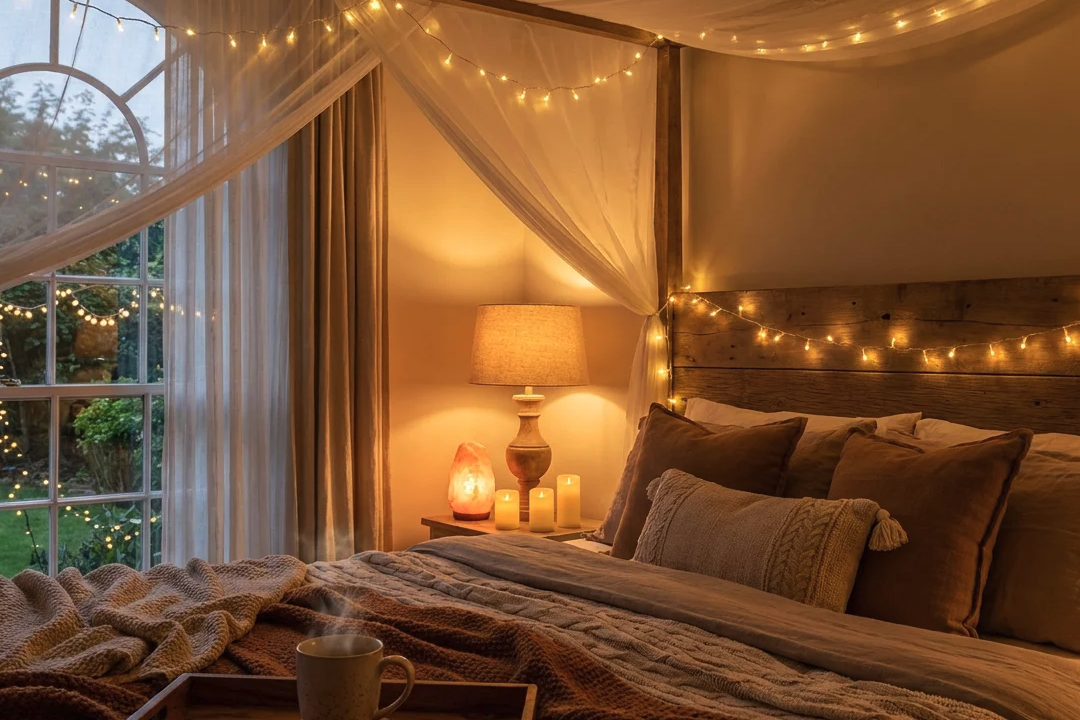
When styling around your mushroom table lamp, incorporate complementary elements that enhance its natural beauty without overwhelming it. Pairing the lamp with other organic materials—such as wooden coasters or ceramic vases—can create a cohesive look that embodies wabi principles. Additionally, consider using soft textiles like linen or cotton for nearby cushions or throws to add layers of texture while maintaining an overall sense of simplicity.
In conclusion, embracing wabi-style design offers an opportunity to cultivate spaces that reflect authenticity and tranquility. By understanding its history, characteristics, and practical applications in home decor—especially through iconic pieces like the mushroom table lamp—you can create an environment that resonates with both beauty and purpose.