Retail lighting offers a prime opportunity to significantly cut down on energy expenses and boost your bottom line. The secret lies in a smart, multi-pronged approach that combines modern LED technology, intelligent controls, and thoughtful design principles. It’s not just about swapping old bulbs; it’s about creating an efficient, inviting, and cost-effective environment that works harder for your business.
Making the Switch: The Power of LEDs
When it comes to retail lighting, the most impactful change you can make for energy savings is upgrading to LED technology. This isn’t just a trend; it’s a fundamental shift that delivers tangible benefits across the board, far outweighing the initial investment.
Understanding LED Efficiency
At its core, LED (Light Emitting Diode) technology is remarkably efficient because it produces light differently than traditional incandescent or fluorescent bulbs. Incandescents create light by heating a filament, wasting a significant amount of energy as heat. Fluorescents use gas and a ballast, which is better but still less efficient than LEDs. LEDs, on the other hand, produce light through a semiconductor process. This means a much higher percentage of the electricity consumed is converted directly into light, not heat, leading to vastly lower energy consumption for the same light output. This efficiency translates directly into lower electricity bills every single month.
Lifespan and Maintenance Savings
Beyond energy consumption, the sheer longevity of LED fixtures is a game-changer for retail operations. Traditional bulbs often have lifespans measured in hundreds or thousands of hours. LEDs, however, can last anywhere from 25,000 to 50,000 hours or even more, depending on the quality and application. For a busy retail store, this extended lifespan means significantly fewer bulb replacements. Think about the labor costs involved in changing bulbs, especially in high ceilings or hard-to-reach areas. Fewer replacements mean fewer maintenance calls, less downtime, and a more consistent lighting environment without dark spots from burned-out bulbs. This reduction in maintenance directly contributes to overall operational savings.
Light Quality and Customization
One of the often-overlooked benefits of modern LEDs is the incredible control they offer over light quality. You’re no longer stuck with a limited range of color temperatures. LEDs come in a vast spectrum, from warm, inviting tones (like 2700K-3000K, similar to incandescents) to crisp, cool whites (4000K-5000K, ideal for task lighting or modern aesthetics), and even daylight equivalents. This allows you to tailor the ambiance of different sections of your store. Want to highlight a cozy apparel section? Use warmer tones. Need to make jewelry sparkle? Cooler, brighter lights are your friend. This customization not only enhances the shopping experience but can also make products look more appealing, potentially boosting sales. Furthermore, LEDs offer excellent color rendering index (CRI), meaning they accurately display the true colors of your products, which is crucial for items like clothing, cosmetics, and fresh produce.
Dimming Capabilities
Most LED systems are inherently dimmable, offering another layer of energy savings and atmospheric control. Traditional dimming systems for incandescent and fluorescent lights could be complex and sometimes less efficient. With LEDs, dimming typically reduces energy consumption proportionally to the light output, meaning a 50% dimming level often translates to roughly 50% less energy used. This allows retailers to adjust lighting levels based on natural light availability, time of day, or even specific events. For example, during off-peak hours or while closing, you can dim the lights to save energy without plunging the store into darkness.
Smart Controls: The Brains Behind the Brightness
Upgrading to LEDs is a fantastic first step, but truly maximizing your energy savings requires incorporating smart lighting controls. These systems go beyond simple on/off switches, allowing your lighting to adapt intelligently to its environment and usage patterns.
Occupancy and Vacancy Sensors
One of the easiest ways to waste energy is to light empty spaces. Occupancy sensors detect when people are present in a given area and automatically turn lights on. Conversely, vacancy sensors require a manual turn-on but will automatically turn lights off after a set period of no motion. For retail environments, these are invaluable in back rooms, storage areas, restrooms, and even less-trafficked aisles. Imagine a stock room where lights only come on when an employee enters, rather than staying lit all day. The energy savings can be substantial, especially in areas that aren’t continuously occupied.
Daylight Harvesting
Natural light is free, so why pay to generate artificial light when you don’t need to? Daylight harvesting systems use photosensors to measure the amount of natural light entering your store through windows, skylights, or storefronts. Based on these readings, the system automatically dims or brightens artificial lights in that zone to maintain a consistent desired light level. If the sun is shining brightly, the artificial lights dim down significantly, saving energy. On a cloudy day, they might be brighter. This dynamic adjustment ensures comfortable illumination while drastically reducing electricity consumption during daylight hours. It’s particularly effective for stores with large windows or open layouts.
Time-Based Scheduling
For predictable operational hours, time-based scheduling is a straightforward yet powerful control. You can program your lighting system to automatically turn on, off, or dim at specific times of the day or week. For instance, lights could be set to come on 30 minutes before opening, dim after closing hours, and turn off completely overnight. This eliminates reliance on employees manually flipping switches, which can sometimes be forgotten, leading to unnecessary energy waste. It also allows for different lighting “scenes” at different times, such as brighter during peak shopping hours and softer during quiet periods.
Centralized Management Systems
For larger retail chains or multi-zone stores, a centralized lighting management system can offer immense benefits. These systems allow facility managers to monitor, control, and adjust lighting across an entire store or even multiple locations from a single dashboard. This means you can identify and troubleshoot issues remotely, implement company-wide energy-saving strategies, and analyze energy usage patterns to pinpoint areas for further optimization. Many modern systems are cloud-based, offering accessibility from anywhere and integrating with other building management systems for a holistic approach to energy efficiency.
Wireless Controls and IoT Integration
The advent of wireless lighting controls and the Internet of Things (IoT) has made implementing smart lighting even more flexible and scalable. Instead of complex wiring, wireless systems use protocols like Bluetooth Mesh, Zigbee, or Wi-Fi to communicate between fixtures, sensors, and control hubs. This simplifies installation, reduces costs for retrofits, and allows for greater flexibility in reconfiguring lighting zones. IoT integration means your lighting system can potentially “talk” to other smart devices in your store, such as HVAC systems, security cameras, or even inventory management, creating a more cohesive and intelligent environment that optimizes not just lighting but overall store operations and energy use.
Strategic Layout: Designing for Savings
The type of light fixtures and controls you use are critical, but how you arrange them within your store is equally important for both aesthetics and energy efficiency. A well-thought-out lighting layout can guide customers, highlight products, and minimize wasted light.
Task-Oriented Lighting
Not every area of your store needs to be bathed in the same intensity of light. This is where task-oriented lighting comes into play. Instead of uniform, high-level ambient lighting throughout, focus brighter, more concentrated light on areas where it’s truly needed. Think about checkout counters, product display shelves, changing rooms, and customer service desks. These areas benefit from higher light levels to ensure clarity and comfort. In contrast, general walkways or transitional spaces might require less intense illumination. This approach reduces the total wattage needed to light the entire space, as you’re not over-lighting areas that don’t demand it.
Accent Lighting for Focus
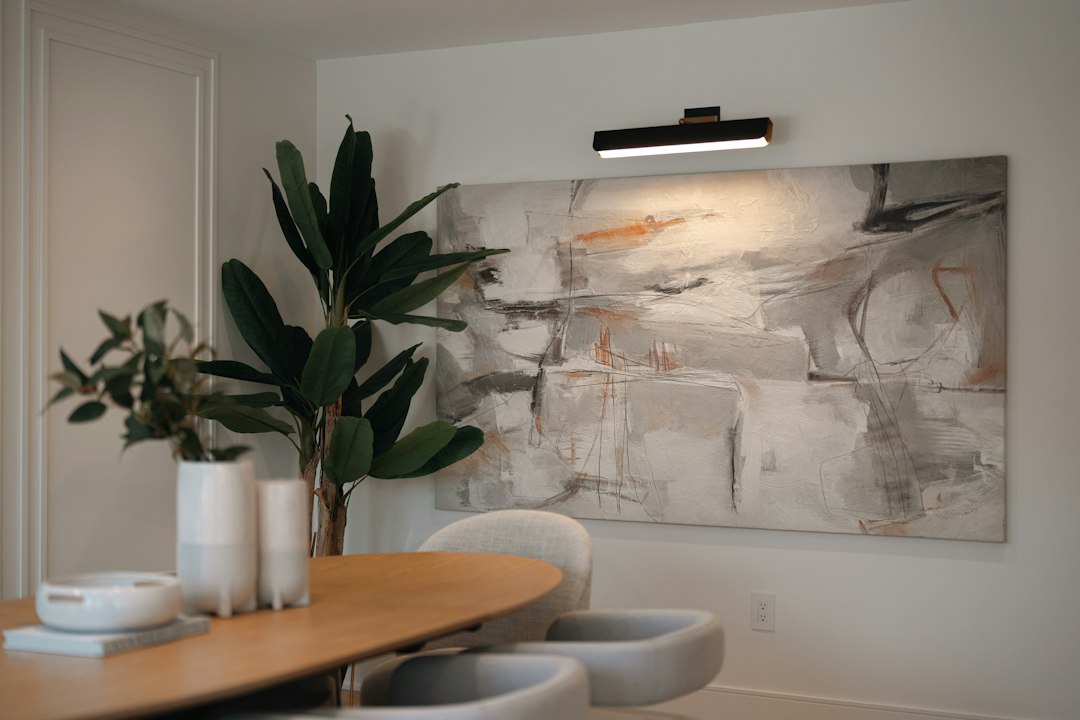
Accent lighting is designed to draw attention to specific products, displays, or architectural features. While it might seem counterintuitive to add more fixtures for energy savings, strategic accent lighting can actually reduce the need for high levels of general ambient lighting. By making specific items pop with focused beams, you can achieve a desired visual hierarchy with overall lower power consumption. For example, instead of brightly lighting an entire wall, use track lighting with narrow beam angles to illuminate individual garments or accessories. This creates visual interest and helps products stand out without wastefully lighting the surrounding wall space. LEDs are particularly adept at accent lighting due to their small size, directional nature, and customizable beam angles.
Layering Light for Effectiveness
Effective retail lighting isn’t about a single layer of illumination; it’s about combining different types of lighting to create a rich, dynamic, and energy-efficient environment. This usually involves three main layers:
- Ambient Lighting: Provides the general illumination for the entire space, ensuring safe movement and a basic level of brightness. This is often achieved with recessed downlights, troffers, or track lighting with wider beam angles.
- Task Lighting: Focuses brighter light on specific work areas or points of interaction, as discussed above.
- Accent Lighting: Highlights specific products or features, adding visual interest and guiding the customer’s eye.
By carefully balancing these layers, you can achieve a visually appealing and functional space without over-lighting. For example, you might have moderate ambient lighting, combined with targeted task lighting at the checkout, and dramatic accent lighting on your featured merchandise. Each layer can be controlled independently for maximum flexibility and energy savings.
Minimizing Light Spill
Light spill refers to light that extends beyond its intended area, essentially illuminating empty space or even outside the store where it serves no purpose. This is wasted energy. Careful fixture selection and placement can minimize this. For instance, using fixtures with appropriate beam angles (narrow for accents, wider for ambient) ensures light is directed precisely where needed. Recessed fixtures or those with baffles can also help control light direction. For storefronts, consider interior fixtures that don’t excessively spill light onto the pavement if it’s not serving a security or promotional purpose. The goal is to maximize the utility of every lumen produced.
Utilizing Reflective Surfaces
The materials and colors of your store’s interior can significantly impact how efficiently your lighting works. Lighter colored walls, ceilings, and floors reflect more light, making the space appear brighter with less artificial illumination. Conversely, dark surfaces absorb light, requiring more powerful (and thus more energy-intensive) lighting to achieve the same brightness level. While you might have specific aesthetic choices, considering lighter, more reflective materials for ceilings and upper walls can naturally boost the effectiveness of your existing lighting and potentially allow you to use lower wattage fixtures, leading to direct energy savings.
Proactive Maintenance and Monitoring
Even the most cutting-edge lighting system won’t deliver optimal savings without ongoing attention. Regular maintenance and continuous monitoring are crucial for ensuring your investment continues to pay off.
Regular Cleaning of Fixtures
It might seem minor, but dust and grime buildup on light fixtures and diffusers can significantly reduce their light output. A layer of dust can obscure a surprising amount of light, making your space appear dimmer and potentially prompting you to increase light levels or wattage unnecessarily. Regular cleaning – perhaps every few months, depending on your store’s environment – ensures that your fixtures are operating at their designed efficiency. This is a low-cost, high-impact maintenance task that directly impacts the perceived brightness and actual energy consumption.
Calibrating Sensors and Controls
Over time, or due to environmental changes, sensors (like occupancy or daylight sensors) might lose their optimal calibration. A daylight sensor might start reading incorrectly, causing lights to stay brighter than necessary on a sunny day. An occupancy sensor might become too sensitive or not sensitive enough. Periodically checking and recalibrating these sensors ensures they are accurately detecting conditions and adjusting lighting appropriately. This is particularly important after any significant changes to your store layout or if you notice inconsistencies in your lighting behavior.
Monitoring Energy Consumption Data
One of the greatest advantages of modern lighting control systems is the ability to collect granular data on energy consumption. Many smart systems offer analytics dashboards that show real-time and historical energy usage for your lighting. Regularly reviewing this data is like having a financial health check for your lighting system. You can identify peak usage times, detect anomalies (like lights staying on overnight unexpectedly), and track the impact of any changes you’ve made. This data-driven approach allows you to continuously refine your strategies, identify areas of inefficiency, and prove the ROI of your lighting investments. Without monitoring, you’re essentially flying blind.
Promptly Replacing Malfunctioning Components
While LEDs boast long lifespans, individual drivers or control modules can sometimes fail before the LED array itself. A flickering light, a zone that won’t dim, or a non-responsive sensor isn’t just an annoyance; it can indicate an energy drain or a missed saving opportunity. Promptly addressing these issues ensures that your system operates as intended and continues to deliver its full energy-saving potential. Having a plan for quick replacement of key components minimizes downtime and prevents longer-term energy waste.
Firmware Updates and System Optimization
Just like your smartphone or computer, many modern smart lighting systems rely on software or firmware. Manufacturers frequently release updates that improve performance, add new features, or patch security vulnerabilities. Staying current with these updates can enhance the efficiency and functionality of your lighting controls. Furthermore, periodically reviewing and optimizing your system’s programming – such as adjusting dimming levels, sensor time delays, or scheduling – can unlock additional savings as your store’s needs or external conditions change.
Beyond Energy: Added Benefits and ROI
While slashing energy costs is the primary goal, a well-executed retail lighting strategy offers a cascade of other benefits that significantly contribute to overall business success and make the investment even more compelling.
Enhanced Customer Experience
Good lighting is often subconscious but profoundly impacts how customers perceive your store and products. Strategic lighting can create a more inviting and comfortable atmosphere, making shoppers feel more at ease and encouraging them to linger longer. When products are well-lit, their true colors and textures are revealed, making them more appealing. High-quality lighting also improves visibility, making it easier for customers to find what they’re looking for and navigate the store safely. A positive shopping experience can lead to increased sales, repeat visits, and stronger brand loyalty – all invaluable for a retailer.
Improved Employee Productivity and Morale
It’s not just customers who benefit from better lighting. Your employees spend their entire workday under these lights. Poor lighting can lead to eye strain, headaches, and general fatigue, which can negatively impact productivity and morale. Well-designed, comfortable lighting, especially task-oriented lighting at cash registers or stock areas, helps employees perform their duties more efficiently and accurately. A brighter, more pleasant work environment can also boost employee mood and reduce absenteeism, creating a more positive and productive team.
Increased Sales Potential
Ultimately, retail is about selling products. Lighting plays a direct role in this. As mentioned, accent lighting can draw attention to specific merchandise, making it stand out. Proper color rendering ensures products look their best, which is critical for items where color accuracy matters (e.g., clothing, makeup, fresh produce). Dynamic lighting scenes can create excitement around promotions or new arrivals. By subtly influencing customer perception and making products more attractive, an optimized lighting scheme can be a powerful tool for driving increased sales, making the ROI extend far beyond just energy savings.
Reduced Carbon Footprint
Beyond the financial benefits, modern energy-efficient lighting significantly reduces your store’s environmental impact. Lower electricity consumption means a reduced demand on power grids, which often rely on fossil fuels. This translates to lower greenhouse gas emissions and a smaller carbon footprint for your business. For many modern consumers, a company’s commitment to sustainability is an important factor in their purchasing decisions. Promoting your green initiatives, including energy-efficient lighting, can enhance your brand image and appeal to environmentally conscious shoppers.
Potential for Rebates and Incentives
Many local utilities and government programs offer rebates and incentives for businesses that upgrade to energy-efficient lighting, particularly LEDs and smart controls. These programs are designed to encourage energy conservation and can significantly offset the upfront cost of a lighting upgrade. Researching available incentives in your area can make a substantial difference in the overall financial viability and payback period of your project. Don’t leave money on the table; explore these opportunities before you commit to an upgrade.
Longer-Term Cost Predictability
With LED technology, you’re investing in a lighting system with a predictable and significantly longer lifespan compared to traditional bulbs. This means fewer unexpected maintenance costs, fewer emergency bulb replacements, and more stable operational expenses related to lighting. While the initial investment might be higher, the long-term predictability of reduced energy bills and lower maintenance costs makes financial planning much easier and ensures consistent savings for years to come.