Your Modern Black Linear Pendant for Office Desk: A Practical Guide
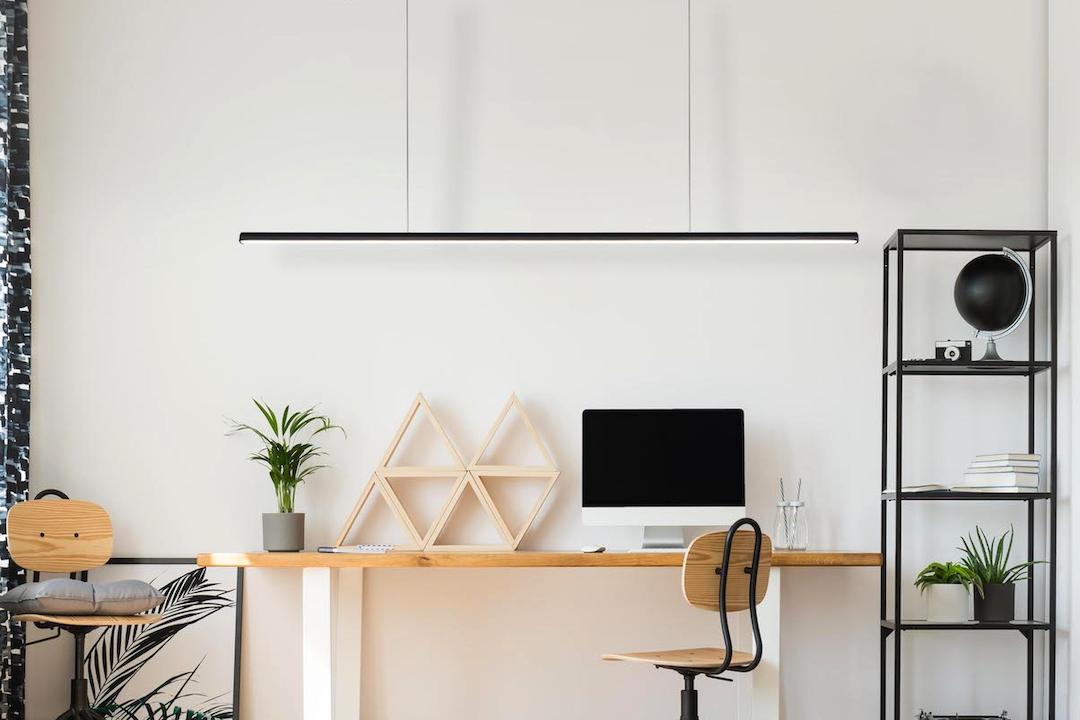
So, you’re wondering if a modern black linear pendant light is a good fit for your office desk? In a nutshell, yes, it absolutely can be. These lights offer a sleek, focused beam that’s perfect for illuminating your workspace without being an eyesore. They’re a step up from traditional desk lamps, blending functionality with contemporary design. Let’s break down what makes them work and what to consider.
There’s a reason these lights Hozo have become popular for office setups, and it’s mostly about getting the job done effectively while looking good.
Task Lighting Done Right
The core purpose of a desk lamp is to provide light where you need it. A linear pendant excels at this by casting a broad, consistent pool of light directly over your work surface. This means fewer shadows and less eye strain, which is crucial whether you’re typing, drawing, or reading.
- Reduced Glare: Unlike a single, harsh bulb, the linear design distributes light more evenly. This can significantly cut down on glare bouncing off screens or reflective surfaces.
- Focus and Concentration: A well-lit workspace can boost focus. The directed light from a pendant helps define your work area, making it easier to concentrate on the task at hand.
A Touch of Modern Aesthetics
Beyond just function, these pendants bring a minimalist, modern vibe to your office. The black finish is versatile and sophisticated, fitting into a variety of decor styles.
- Clean Lines: The sleek, linear shape is inherently modern. It avoids the bulkier shapes of some traditional desk lamps, contributing to a tidier and more open feel.
- Minimalist Footprint: Because it hangs above your desk, a linear pendant frees up valuable desk real estate. You won’t have a lamp base taking up space that could be used for your monitor, notebooks, or other essentials.
- Versatile Color: Black is a classic for a reason. It pairs well with wood tones, metal accents, and a wide range of wall colors, making it an easy choice for most office decors.
Key Considerations When Selecting Your Pendant
Picking the right pendant isn’t just about grabbing the first one you see. A few specific features can make a real difference in how well it serves your office needs.
Size and Scale Matter
This is probably the most important practical aspect. You don’t want a pendant that’s too big and overwhelming, nor one that’s too small to effectively light your desk.
- Desk Dimensions: Measure your desk. A good rule of thumb is that the pendant’s length should be roughly two-thirds to three-quarters the width of your desk. This ensures coverage without looking disproportionate.
- Pendant Height: The height at which the pendant hangs is critical for both light distribution and avoiding a visual obstruction.
- Standard Desk Height: For a typical desk (around 29-30 inches high), you’ll likely want the bottom of the pendant to hang about 28-34 inches above the desk surface. This allows for comfortable head clearance while still providing effective light.
- Adjustable Cords: Look for pendants with adjustable cords or suspension systems. This allows you to fine-tune the height to your specific desk and preference.
- Visual Weight: Consider the overall design. A very thin, minimalist linear pendant will feel less imposing than one with a thicker profile, even if they are the same length.
Light Quality and Features
The type of light a pendant emits and any additional features can dramatically impact your workday.
- Color Temperature: This refers to the “warmth” or “coolness” of the light.
- Warm White (2700K-3000K): This is a more relaxed, cozy light, similar to incandescent bulbs. It can be nice for a home office where you want a comfortable atmosphere, but might be a bit too dim for detailed tasks.
- Neutral White (3500K-4000K): This is a good all-around choice, mimicking natural daylight. It’s bright, clear, and good for productivity without being harsh.
- Cool White/Daylight (5000K+): This is a very bright, crisp light that can be excellent for tasks requiring high detail and focus. However, it can sometimes feel sterile or too intense for prolonged periods.
- Recommendation: For an office desk, aim for the neutral white range (3500K-4000K) for a good balance of clarity and comfort.
- Dimmability: This is a huge plus. Being able to adjust the light’s intensity allows you to tailor it to different tasks or times of day. You might want brighter light for focused work and a dimmer setting for less demanding activities or when you just need ambient light.
- Integrated Dimmer: Some pendants have a built-in dimmer.
- Dimmable Bulb Compatibility: Others require you to use dimmable LED bulbs and a compatible dimmer switch installed in your wall. Ensure this is compatible with your existing electrical setup.
- Beam Spread: While linear pendants generally offer a good spread, check the specifications to see how wide the illuminated area is. This is especially important if you have a larger desk.
Installation: What You Need to Know
Installing a pendant light, especially over a desk, requires a bit more attention than just plugging in a lamp.
Ceiling vs. Desk Mounted
This is a primary decision. Are you okay with wiring into your ceiling, or do you need a solution that’s less permanent?
- Ceiling Mounted Pendants: These are the most common and offer a cleaner, more integrated look.
- Requires Wiring: This typically involves running electrical wire from a junction box in the ceiling to the pendant. If you’re not comfortable with electrical work, you’ll need an electrician.
- Placement is Key: You’ll need to accurately determine the center point above your desk for the best light coverage. This can be tricky if your desk isn’t perfectly centered in the room.
- Wire Management: Consider how the suspension wires and power cord will be managed to maintain a clean look.
- Desk Mounted (or Clamp Style) Linear Pendants: These are becoming more popular as an alternative to ceiling installation.
- No Ceiling Wiring: They often attach to the desk itself or a sturdy monitor stand, and plug into a standard wall outlet.
- Flexibility: This is a great option for renters or if you frequently rearrange your workspace.
- Aesthetics: While they avoid ceiling wires, you’ll still have a power cord to manage. The mounting mechanism itself will also be visible on or around your desk.
- Stability: Ensure the mounting system is robust and won’t wobble or damage your desk.
Electrical Considerations and Safety
Safety is paramount when dealing with any lighting installation.
- Junction Box and Wiring: If you’re ceiling mounting, ensure there’s a suitable junction box to support the weight of the fixture and all wiring is up to code.
- Consult an Electrician: If you have any doubts about your electrical knowledge or the safety of the installation, always hire a qualified electrician. It’s better to be safe than sorry.
- Weight Limits: Check the pendant’s specifications for its weight. This is particularly important for ceiling mounts to ensure the junction box can support it.
- Power Requirements: Know the wattage and voltage requirements of the pendant and ensure your circuit can handle it.
Material and Design Choices for Durability and Style
The materials and design not only affect the look but also the lifespan and practicality of your pendant.
Black Finishes and Materials
The “black” aspect can vary widely, from matte to glossy, and the underlying material influences the overall feel.
- Matte Black: This is a popular choice for modern interiors. It tends to be less reflective, which can be good for reducing glare. It can also hide fingerprints and dust a bit better.
- Satin Black: A good middle ground, offering a slight sheen without being overly reflective.
- Glossy Black: This can add a touch of drama and sophistication, but it’s also more prone to showing smudges and glare.
- Materials:
- Aluminum: Lightweight and durable, often used for modern fixtures.
- Steel: Strong and can offer different finishes.
- Plastic: Lighter and more budget-friendly, but may not feel as premium.
- Wood Accents: Some modern black pendants incorporate wood elements for a bit of warmth and contrast.
Design Styles within Linear Pendants
Even within the “linear” category, there’s a range of designs.
- Minimalist Bar: A simple, straight bar with integrated LED lighting. This is the most common and often the most clutter-free.
- Multi-Light Bar: A slightly more intricate design with several smaller lights arranged in a line.
- Cage or Geometric Designs: Some linear pendants incorporate a black cage or geometric frame around the light source, adding a bit more visual interest.
- Suspension Options:
- Single Rod: A clean, direct mount.
- Cable Suspension: Two or more cables offer a lighter, more airy feel. Often offers more adjustability.
Integrating Your Pendant into Your Workspace
Once you have the pendant, think about how it fits into your overall desk setup and workflow.
Optimizing Light for Productivity
It’s not just about having light; it’s about having the right light.
- Desk Layout: Position your monitor and task areas so the pendant throws light directly where you need it. Avoid having the light source directly behind your monitor, which can cause glare.
- Glare Management: If you notice glare on your screen despite the pendant, try slightly adjusting the height or angle of the pendant, or consider an anti-glare screen protector for your monitor.
- Task-Specific Lighting: For fine detail work, you might supplement the pendant with a smaller, adjustable task lamp or a clip-on light if the pendant’s reach isn’t sufficient for every nook and cranny of your desk.
Cable Management and Aesthetics
A beautiful pendant can be marred by messy wires.
- Cable Sleeves and Clips: Invest in cable sleeves or clips designed to tidy up wires. Black ones will blend in best with a black pendant and desk.
- Cable Raceways: For a really neat finish, especially with ceiling mounts, consider a cable raceway that runs along the ceiling or wall.
- Concealing Wires: Try to run wires alongside furniture legs or behind other objects where possible.
- Cord Length: Ensure the pendant’s cord is long enough to reach your power source without being overly strained or coiled awkwardly.
Combining with Other Lighting
Your linear pendant doesn’t have to be the only light source in your office.
- Ambient Lighting: Use floor lamps or overhead room lighting to provide general illumination. This prevents the stark contrast between a brightly lit desk and a dark room, which can cause eye strain.
- Accent Lighting: Consider smaller desk lamps or clip-on lights for specific tasks that require extra focused illumination or if you need light in a spot the pendant doesn’t quite reach.
- Smart Lighting Integration: If you have a smart home system, some linear pendants can be integrated for voice control or scheduling.
By considering these practical aspects, you can choose and implement a modern black linear pendant that genuinely enhances your office desk setup, making it more comfortable, productive, and visually appealing.