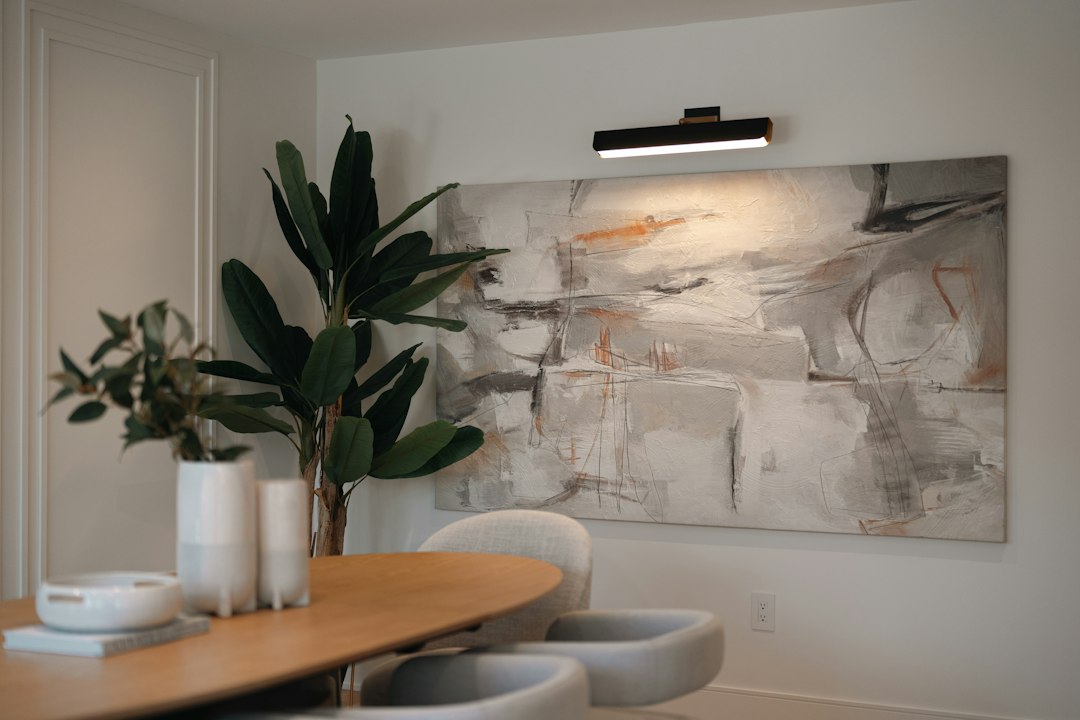
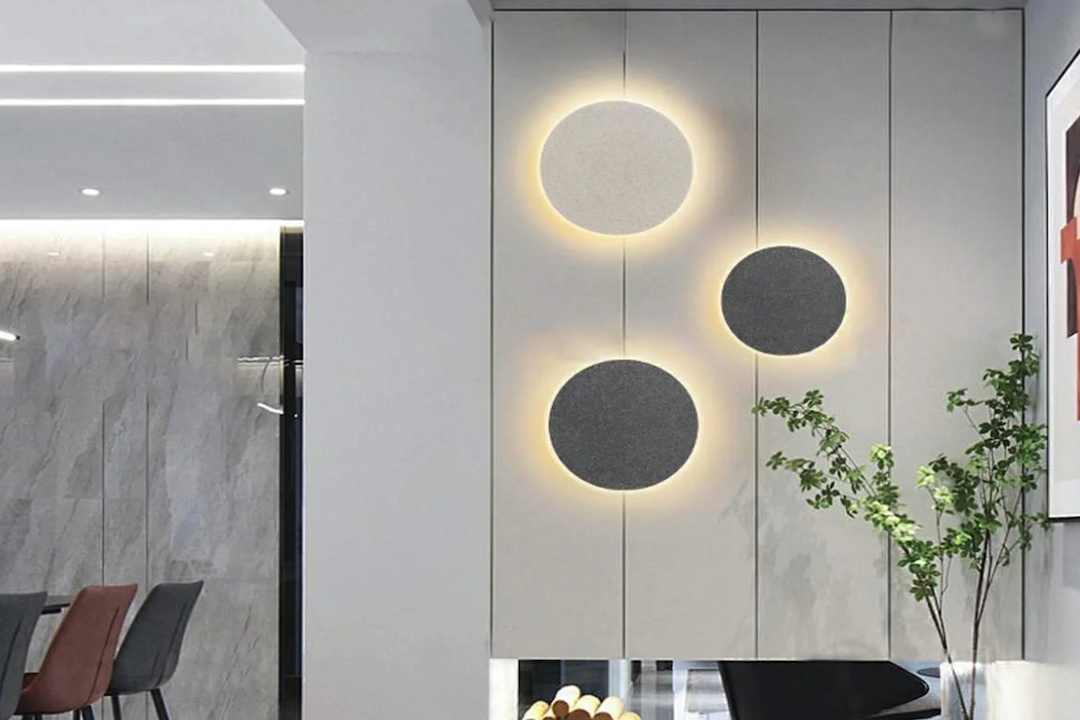
Thinking about adding some industrial flair to your home or business? You’ve probably seen it in cafes, lofts, and trendy workspaces – that raw, minimalist aesthetic often features concrete. And when it comes to lighting, concrete wall-mounted fixtures are a fantastic way to bring that style to life. They’re not just about looks, either. These lights offer a unique blend of durability, modern design, and functional illumination that can really transform a space. Whether you’re aiming for an edgy urban vibe or a subtler hint of industrial chic, incorporating concrete wall lights is a practical and stylish choice.
The Appeal of Concrete in Lighting Design
Concrete’s popularity in interior design isn’t just a fleeting trend; it’s rooted in its inherent qualities. It possesses a raw, unpolished beauty that speaks to an industrial heritage. When incorporated into light Zweedo fixtures, this material offers a grounding, substantial presence that contrasts beautifully with softer elements in a room.
A Material with History
Concrete, in its various forms, has been a cornerstone of construction for centuries. Its use in lighting fixtures taps into this long history, subtly referencing industrial processes and utilitarian design. It’s a material that evokes durability and a sense of permanence, elements that resonate with the industrial aesthetic.
Unparalleled Versatility in Form
While often associated with a rough, grey finish, concrete can be molded into an astonishing array of shapes and sizes. This allows designers to create fixtures that are both minimalist and sculptural, geometric or organic. The ability to cast concrete into intricate forms opens up a world of design possibilities, enabling unique lighting solutions for diverse spatial needs.
The Aesthetic of Imperfection
What many find appealing about concrete is its inherent imperfections. Slight variations in color, texture, and the occasional air bubble add character and a sense of authenticity. This “flawed beauty” is a signature of industrial decor, and it translates well into creating a lived-in, authentic feel rather than an overly pristine look.
Types of Concrete Wall Mounted Light Fixtures
When you start looking at concrete wall lights, you’ll find a surprising variety. They aren’t one-size-fits-all. The design choices, from the concrete itself to the accompanying hardware, dictate the overall look and feel.
Cylindrical and Columnar Designs
These are perhaps some of the most common and recognizable forms. A simple cylinder or column of concrete mounted to the wall can house a bulb, often with an exposed filament or a frosted diffuser. They offer a clean, linear aesthetic that fits well in hallways, entryways, or as accent lighting.
Linear and Upward/Downward Emitting
Many cylindrical fixtures are designed to direct light upwards, downwards, or both. This creates interesting shadow patterns on the wall and ceiling, adding depth and dimension to the space. The focused light can be perfect for highlighting artwork or architectural features.
Integrated LED Options
Increasingly, you’ll find concrete fixtures with integrated LED lighting. This often allows for sleeker designs as there’s no need for a separate bulb socket. Integrated LEDs also offer energy efficiency and a longer lifespan, making them a practical choice.
Geometric and Block-Style Fixtures
Beyond simple cylinders, concrete is molded into more angular and geometric shapes. Think cubes, rectangles, or even trapezoids. These fixtures can have a more modern, architectural feel.
Wall Washers and Spotlights
Some geometric concrete fixtures are designed to wash light across a wall, creating a broad, even illumination. Others are more focused, acting as spotlights to draw attention to specific areas. The material itself, being opaque, helps direct the light effectively.
Sculptural and Statement Pieces
There are also concrete wall lights that move beyond pure function and become sculptural elements in themselves. These might feature unusual angles, cutouts, or textured surfaces that make them a focal point of the room.
Concrete with Accents of Other Materials
Pure concrete can sometimes feel a bit stark. Many designs cleverly combine concrete with other materials to enhance their aesthetic and functionality.
Metal Details: Brass, Steel, and Copper
The pairing of concrete with metals like brushed brass, matte black steel, or even aged copper is a hallmark of industrial design. These metallic accents can appear as mounting hardware, lamp holders, or decorative trims, adding a touch of sophistication and contrast.
Wood Elements
For a slightly warmer or more organic industrial feel, concrete fixtures might incorporate wood. This could be a small wooden base, a decorative inlay, or even a wooden shade that diffuses the light. This combination softens the raw nature of the concrete.
Glass Diffusers
While some concrete lights embrace exposed bulbs, many use glass diffusers. These can range from clear and ribbed glass to frosted or colored options, all designed to soften and spread the light more evenly and create a specific mood.
Where to Use Concrete Wall Mounted Lights
The versatility of concrete wall lights means they can find a home in almost any setting where you want to introduce that industrial character. Their robustness also makes them suitable for areas that might see more regular use.
Enhancing Entryways and Hallways
First impressions matter, and your entryway is the first glimpse of your style. Concrete wall lights can signal an industrial or modern aesthetic right from the start. Their directional light capabilities are also perfect for illuminating pathways and ensuring safety.
Creating a Welcoming Glow
For hallways, a series of well-placed concrete sconces can create a warm and inviting atmosphere, guiding guests through your home. The texture of the concrete can add a tactile element even before they enter the main living spaces.
Functional Task Lighting
In narrower hallways or entryways, the slim profile of many wall-mounted fixtures is a significant advantage. They provide necessary illumination without taking up valuable floor or surface space.
Adding Character to Living Rooms and Lounges
In living areas, concrete wall lights can serve as both functional illumination and decorative accents. They can complement a variety of interior styles, from minimalist to more eclectic.
Accent Lighting for Art and Decor
Use concrete sconces to highlight artwork, shelving units, or even textured wallpaper. The light they cast can define and draw attention to these features, adding layers to your decor.
Mood Setting with Dimmers
Pairing concrete wall lights with dimmer switches gives you complete control over the ambiance. You can go from bright, functional light for reading to a softer, more intimate glow for relaxation.
Industrial Kitchen and Dining Areas
The durability and easy-to-clean nature of concrete make it an excellent choice for kitchens and dining spaces. They can withstand the rigors of a busy culinary environment.
Task Lighting Above Countertops and Islands
Well-positioned concrete wall lights can provide crucial task lighting over kitchen countertops or islands, making food preparation safer and more efficient. Their industrial vibe often complements modern kitchen appliances.
Ambient Lighting for Dining Tables
In a dining area, a set of concrete sconces can cast a warm, inviting light over the table, creating a comfortable atmosphere for meals and conversations. This can be a stylish alternative to pendant lights.
Inspiring Home Offices and Workspaces
For home offices, concrete fixtures can contribute to a focused and professional environment. Their clean lines and unobtrusive design are ideal for work settings.
Reducing Glare and Eye Strain
Strategic placement of concrete wall lights can help reduce glare on computer screens and provide adequate ambient light, minimizing eye strain during long work sessions.
A Touch of Sophistication
The modern, almost austere look of concrete can lend a certain sophistication to a home office, encouraging a sense of order and productivity.
Installation Considerations for Concrete Wall Lights
While the appeal of concrete is undeniable, installation requires a bit more thought than with lighter materials. The weight and the need for secure mounting are key factors.
Wall Type and Structural Support
- Drywall: For standard drywall, you’ll need to locate wall studs. The fixture should be screwed directly into the solid wood of the stud for adequate support. Using toggle bolts or molly bolts might seem like an option, but for fixtures with any significant weight, this is not recommended.
- Plaster and Lath: This older construction method can be more challenging. Finding studs is still crucial, but the lath itself can be brittle. It’s often best to consult a professional if you’re unsure.
- Brick or Masonry: These surfaces offer excellent support. You’ll need appropriate anchors designed for brick or concrete, such as expansion anchors. Pre-drilling is essential.
- Concrete Walls: Similar to masonry, concrete walls provide strong support. Use masonry anchors and ensure you have the right drill bits.
Electrical Connections and Safety
- Turn Off Power: Always, always turn off the power to the circuit you’ll be working on at the breaker box before starting any electrical work. Test the wires with a non-contact voltage tester to be absolutely sure.
- Wiring: You’ll need to connect the fixture’s wires to the existing wiring in your wall. Typically, this involves connecting the black wire from the fixture to the black wire in the wall (hot), the white wire from the fixture to the white wire in the wall (neutral), and the green or bare copper wire to the ground screw on the electrical box or the grounding wire in the wall.
- Junction Box: Ensure the fixture is mounted to a certified electrical junction box that is rated for the weight of the fixture. The junction box itself should be securely fastened to the wall structure.
- Professional Help: If you are not comfortable with electrical wiring, it is highly recommended to hire a qualified electrician. Incorrect wiring can be a serious fire hazard.
Mounting Hardware and Weight Distribution
- Manufacturer’s Instructions: Always follow the specific mounting instructions provided by the fixture manufacturer. They will detail the type of screws or anchors to use and how to distribute the weight.
- Weight of the Fixture: Concrete is dense. Some concrete light fixtures can be surprisingly heavy. Double-check the weight of your chosen fixture and ensure your wall and mounting system can support it safely.
- Leveling: Use a spirit level to ensure the fixture is mounted straight. This is crucial for both aesthetics and proper light distribution.
Integrating Concrete Lights into Your Decor
Beyond just placing a light on the wall, think about how it interacts with the rest of your space. The texture and form of concrete can be a dialogue with other elements in the room.
Contrasting Textures and Materials
The rough, tactile nature of concrete provides a fantastic contrast to smoother, softer materials.
- Soft Furnishings: Pair concrete lights with plush velvet cushions, linen curtains, or a chunky knit throw for a sophisticated blend of industrial and cozy.
- Natural Wood: The warmth of natural wood furniture can beautifully complement the cool, solid feel of concrete, creating a balanced look.
- Glass and Metal Accents: Introduce other industrial elements like glass vases, metal shelving, or wire baskets to reinforce the overall theme.
Color Palette Considerations
Concrete walls themselves can bring a certain mood, but how does the light fixture interact with your existing color scheme?
- Monochromatic Scheme: For a truly minimalist and modern look, use concrete lights within a monochromatic color palette. Think shades of grey, black, white, and perhaps a muted concrete tone.
- Accent Colors: If your room has vibrant accent colors, the neutral tone of the concrete fixture can act as a grounding element, preventing the space from feeling overwhelming.
- Warm Tones: For a softer industrial feel, consider concrete fixtures with warm metal accents (like brass or copper) or those paired with wood elements. These can bring a comforting warmth to the predominantly cool-toned material.
Balancing the Industrial Look
While industrial decor is characterized by raw materials and utilitarian design, it doesn’t have to feel cold or unfinished.
- Adding Greenery: Introduce houseplants. The vibrant greens of living plants provide a beautiful organic contrast to the hard surfaces of concrete and metal.
- Soft Lighting: Use dimmers sparingly to create a warm, inviting ambiance. This ensures the space feels welcoming rather than sterile.
- Personal Touches: Incorporate personal items like photographs, books, or artwork to make the space feel lived-in and reflective of your personality.
Concrete wall-mounted light fixtures offer a compelling combination of style and substance. They’re a practical way to inject industrial character into any room, providing not just illumination but also a strong design statement. By understanding the material’s appeal, exploring the diverse range of designs, considering installation needs, and thoughtfully integrating them into your decor, you can effectively leverage these fixtures to create a space that is both aesthetically striking and functionally sound. Whether you’re aiming for a full-blown industrial loft vibe or just a touch of urban edge, these concrete lights are a solid choice.