Creating an inviting and visually appealing living space often involves a deliberate selection of furnishings and decorative elements. For those aiming to imbue their homes with a tropical ambiance, the choice of lighting can significantly contribute to the overall aesthetic. A handcrafted rattan floor lamp, in particular, offers a functional and decorative piece that can serve as a focal point while enhancing the desired atmosphere. This article explores the characteristics, benefits, and considerations when incorporating such a lamp Yilop into a tropical-themed room.
Rattan is a naturally occurring vine that grows in the tropical regions of Southeast Asia, Australia, and Africa. Its robust and flexible nature makes it a versatile material for furniture and decor.
Botanical Characteristics of Rattan
Rattan belongs to the palm family and is characterized by its long, flexible, and solid stems. These stems can be several hundred feet long and are hollow in some species, but the structural integrity comes from the tough outer skin. The climbing nature of the plant allows it to intertwine with trees, contributing to its strength. Its growth patterns and the resulting fiber lengths are important factors in its suitability for various crafting techniques.
Harvesting and Processing of Rattan
The harvesting process typically involves cutting the matured rattan stems at the base of the plant. Skilled laborers often undertake this task, ensuring minimal damage to the surrounding ecosystem. Once harvested, the rattan undergoes a series of processing steps.
Cleaning and Preparation
The initial stage involves cleaning the rattan to remove any dirt, debris, or surface imperfections. This often includes stripping away the outer bark in some applications, though for many decorative items, the outer surface is preserved for its texture and color. The stems are then dried, either through air-drying or kiln-drying, to reduce moisture content and prevent warping or insect infestation.
Straightening and Shaping
Depending on the intended design, rattan stems may be straightened using heat and pressure. This allows for more precise and uniform construction. Alternatively, the natural flexibility of rattan can be exploited through bending and shaping techniques, often facilitated by steam or soaking in water. This malleability is key to creating the intricate forms found in handcrafted items.
Finishing Processes
Once formed, rattan can be finished in various ways. Natural rattan possesses a pale, golden hue. It can be bleached to achieve a lighter, more muted tone or stained to a darker shade. A protective clear lacquer or varnish is commonly applied to enhance durability, provide a smooth surface, and protect against moisture and wear. These finishing options allow for a wide range of aesthetic possibilities, from a light and airy feel to a richer, more grounded appearance.
Design Elements of Handcrafted Rattan Floor Lamps
The aesthetic appeal of a handcrafted rattan floor lamp lies in its natural materials and the artistry involved in its creation. These lamps are more than just light sources; they are often sculptural pieces that contribute significantly to the room’s decor.
Natural Textures and Patterns
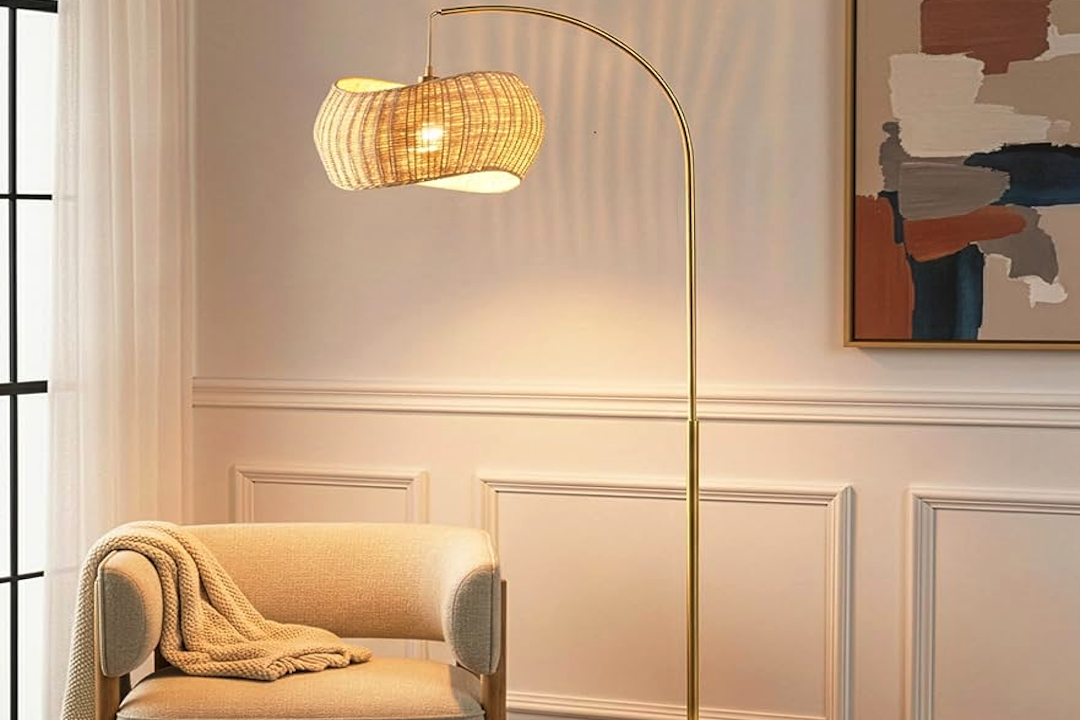
The inherent texture of rattan, with its cane-like appearance and subtle variations, provides an organic and tactile dimension to a room. The weaving patterns used in the construction of the lampshade and base can create intricate visual interest, casting attractive shadows when illuminated.
Woven Shades
Rattan lampshades are frequently constructed using various weaving techniques. Common patterns include open weaves that allow light to diffuse broadly, creating a soft, ambient glow. Tighter weaves can offer more directed light, useful for reading corners. The direction and density of the weave can alter the quality and distribution of light, impacting the room’s overall mood. Some designs incorporate multiple layers or different weaving styles within a single lampshade, adding complexity and depth.
Intricate Bases
The bases of rattan floor lamps can range from simple, cylindrical forms to elaborately twisted or woven structures. These bases often draw inspiration from natural shapes, mimicking the appearance of vines, branches, or even nautical elements. The way the rattan is manipulated and joined contributes to the lamp’s character, turning a functional object into a statement piece.
Form and Silhouette
The shape and overall silhouette of a rattan floor lamp play a crucial role in its visual impact. Handcrafted pieces often exhibit unique and flowing forms that stand apart from mass-produced alternatives.
Organic Shapes
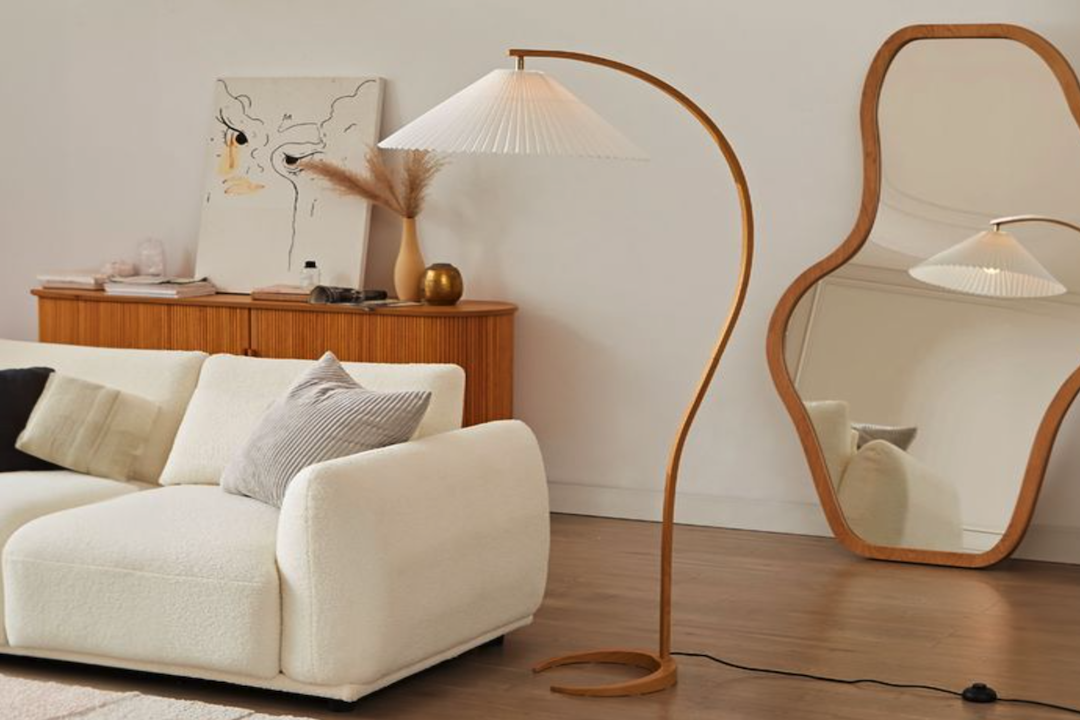
Many rattan floor lamps embrace organic and curvilinear shapes, mirroring the natural growth of plants. These forms can soften the lines of a room and introduce a sense of fluidity. A lamp with a gently sweeping arc or a base that resembles a coiled vine contributes to a relaxed and naturalistic environment.
Sculptural Designs
The artisanal nature of handcrafted lamps often results in designs that can be described as sculptural. These lamps are designed to be admired from multiple angles, even when not illuminated. Their presence alone can enhance the visual appeal of a corner or serve as a central decorative element within the larger room. The interplay of light and shadow on the woven surfaces further contributes to their sculptural qualities.
Versatility in Aesthetics
Despite being a natural material, the way rattan is finished and the design of the lamp can lend itself to a surprising range of aesthetic interpretations within a tropical theme.
Bohemian and Coastal Influences
The earthy tones and woven textures of rattan align well with bohemian and coastal design philosophies. These styles often prioritize natural materials, relaxed living, and a connection to the outdoors, making rattan floor lamps a natural fit. Their inclusion can evoke feelings of seaside tranquility or the carefree spirit of a bohemian retreat.
Modern Tropical Adaptations
While traditionally associated with rustic styles, modern interpretations of tropical design can also incorporate rattan. Clean lines and minimalist designs in rattan, perhaps paired with a more contemporary lampshade material, can bridge the gap between natural charm and modern elegance. The key is often in the scale and the surrounding decor, where a carefully selected rattan lamp can add a touch of warmth without overwhelming a sleeker aesthetic.
Enhancing the Tropical Ambiance of a Room
A handcrafted rattan floor lamp can be a significant contributor to establishing and enhancing a tropical atmosphere within a living space. Its material and design characteristics work in concert to evoke the feeling of being in a warmer, more verdant climate.
Creating a Warm and Inviting Glow
The primary function of a lamp is illumination, but the quality of light it emits can dramatically affect a room’s mood. Rattan, particularly when used in the lampshade, diffuses light in a unique and often pleasing manner.
Soft and Diffused Light
Open-weave rattan shades are adept at scattering light, producing a soft, ambient glow that avoids harshness. This gentle illumination is conducive to relaxation and can create a cozy, inviting atmosphere. This is particularly beneficial in living areas or bedrooms where a sense of calm is desired. This diffused light acts like the dappled sunlight filtering through a jungle canopy, adding depth and warmth.
Warm Color Temperature
Natural rattan typically has a warm, golden hue. When illuminated, this inherent warmth is amplified, lending a cozy and natural feel to the light. This is a stark contrast to the cooler, more sterile light often produced by synthetic materials or some modern lighting fixtures. The lamp, when lit, becomes a gentle sun, warming its immediate surroundings.
Adding Natural Texture and Organic Elements
Beyond illumination, the physical presence of a rattan floor lamp introduces natural textures and organic forms into the interior design. This is a foundational principle in achieving a successful tropical aesthetic.
Tactile Appeal
The woven surface of rattan offers a distinct tactile quality. Even without touching the lamp, its visual texture suggests a connection to nature. This is a subtler yet important aspect of tropical design, which often emphasizes natural materials and a connection to the earth. The lamp’s texture acts as a bridge between the artificial environment of the room and the natural world.
Complementing Other Natural Materials
A rattan floor lamp naturally complements other materials commonly found in tropical decor, such as wood, bamboo, sisal, and natural fabrics like cotton and linen. Its presence can tie these elements together, creating a cohesive and harmonious design scheme. It becomes a knot in the tapestry of natural elements within the room.
Serving as a Decorative Accent Piece
In many instances, a handcrafted rattan floor lamp transcends its functional role to become a significant decorative element. Its unique design and material can draw the eye and contribute to the room’s overall visual narrative.
Focal Point Potential
A well-chosen rattan floor lamp, especially one with an interesting design or a commanding presence, can serve as a focal point in a room. It can anchor a seating area, highlight a particular corner, or simply add visual interest to an otherwise plain space. Its form can be as engaging as a piece of art.
Introducing Visual Interest and Character
The artisanal craftsmanship evident in a handcrafted lamp imbues it with character. The slight variations that come from being handmade, the intricate weaving patterns, and the unique silhouette all contribute to a sense of authenticity and personality. This is in contrast to the uniformity of mass-produced items. The lamp tells a story of its creation, adding a dimension of individual artistry to the space.
Factors to Consider When Purchasing a Handcrafted Rattan Floor Lamp
While the appeal of a handcrafted rattan floor lamp is evident, careful consideration of several factors is necessary to ensure it is a suitable and lasting addition to a tropical room. This involves assessing practical needs alongside aesthetic preferences.
Size and Scale of the Lamp
The physical dimensions of the lamp must be appropriate for the space it will occupy. A lamp that is too large can overwhelm a small room, while one that is too small may appear lost in a larger area.
Proportion to the Room
The height and width of the floor lamp should be in proportion to the overall size of the room and the furniture it will be near. For instance, a lamp intended for beside a sofa should not be so tall that it obstructs conversation or so wide that it encroaches on seating space. Conversely, a lamp in a large open-plan living area may need to be more substantial to make its presence felt. It is like choosing the right size brush to paint a canvas; too small, and you lose detail; too large, and you smudge the intent.
Placement Considerations
The intended placement of the lamp will influence its ideal size and shape. If it is to stand in a corner, its silhouette and reach will be important. If it is to be placed beside a reading chair, the direction and spread of its light output become critical. Consider the lamp’s footprint on the floor and its vertical extension.
Light Output and Functionality
Beyond its decorative qualities, the lamp’s ability to provide adequate and appropriate lighting is paramount. This involves considering the type of bulb, the wattage, and the way the shade affects light distribution.
Bulb Type and Wattage
The type of bulb (e.g., LED, incandescent, halogen) and its wattage will determine the brightness and color temperature of the light. For a tropical ambiance, warm-toned bulbs are generally preferred. Ensure the lamp accommodates standard bulb fittings and that the maximum recommended wattage adheres to safety guidelines. Consider if the lamp is intended for ambient lighting or more focused task lighting.
Shade Opacity and Light Diffusion
The weave density of the rattan shade will significantly impact how light is diffused. An open weave will cast more light outwards and upwards, creating ambient illumination, while a denser weave might direct light more downwards or be partially opaque, requiring a higher wattage bulb for sufficient brightness. Some lamps may also have an inner lining to further control light diffusion and prevent glare.
Durability and Maintenance
Rattan is a natural material and, like all natural materials, requires some care to maintain its appearance and longevity. Understanding its maintenance needs is crucial before purchase.
Rattan’s Natural Properties
Rattan is susceptible to extreme conditions. Prolonged exposure to direct sunlight can cause it to fade and become brittle. High humidity can, in some cases, encourage mold growth if the rattan is not properly sealed or ventilated. Conversely, very dry environments can lead to brittleness.
Cleaning and Care Instructions
Typical care involves dusting the lamp regularly with a soft, dry cloth. For more thorough cleaning, a slightly damp cloth can be used, followed by immediate drying. Avoid harsh chemicals or abrasive cleaners. If the lamp is placed in an area prone to dust or requires more intensive cleaning, inquire about specific manufacturer recommendations. Proper care ensures the lamp remains a lasting element of your decor, much like a well-maintained heirloom.
Integration into a Tropical Room Design
The successful incorporation of a handcrafted rattan floor lamp into a tropical room design hinges on how it harmonizes with the existing or planned decor. It should feel like a natural extension of the theme, not an afterthought.
Complementing the Color Palette
Tropical color palettes often draw inspiration from nature, featuring lush greens, earthy browns, sandy beiges, and vibrant floral hues. A rattan lamp, with its natural, warm tones, generally fits seamlessly into these schemes.
Earthy Tones and Natural Hues
The inherent color of rattan, typically a golden to light brown, melds effortlessly with other natural materials like wood, bamboo, and jute. If the room features a predominantly neutral palette with accents of green or blue, the rattan lamp can provide a grounding element, introducing warmth and texture without clashing. Its hue is a whisper of the tropics, bringing the essence of the land into the room.
Contrasting or Harmonizing with Bold Colors
If the tropical room incorporates bolder accent colors, such as deep teals, fiery oranges, or bright fuchsias, the rattan lamp can either provide a calming contrast or harmonize with more earthy tones within that palette. For example, a rattan lamp can soften the intensity of a vibrant wall color or complement a rug with similar natural fiber textures. Its presence can act as an anchor against a vibrant backdrop.
Harmonizing with Other Furnishings and Decor
The rattan floor lamp should feel like it belongs among the other elements in the room. This involves a consideration of style, material, and scale in relation to other furnishings.
Material Harmony
When selecting a rattan lamp, consider the presence of other natural materials in the room. If the room features significant amounts of wooden furniture, particularly lighter woods like teak or bamboo, the rattan lamp will feel at home. Similarly, if there are jute rugs, sisal baskets, or linen upholstery, the rattan lamp will enhance this tactile and material cohesion. It contributes to the room’s symphony of natural textures.
Balancing Textures and Patterns
A tropical room often benefits from a mix of textures and patterns. The woven texture of the rattan lamp can add visual interest and depth. It should be balanced with smoother surfaces, such as polished wood or upholstered furniture, and other patterned elements like botanical prints or woven fabrics. Avoid overcrowding the space with too many competing textures, ensuring the rattan lamp contributes to, rather than competes with, the overall design.
Creating Zones and Highlighting Features
The strategic placement of a floor lamp can define areas within a room or draw attention to specific decorative elements.
Defining Seating Areas
When placed beside an armchair or between two sofas, a floor lamp can visually demarcate a seating zone, making it feel more intimate and defined. The pool of light it casts further enhances this sense of a designated space. It carves out a pocket of comfort within the larger room.
Illuminating Artwork or Architectural Features
A floor lamp can be directed to illuminate a piece of artwork, a plant, or an interesting architectural detail. This not only adds to the room’s ambiance but also draws the viewer’s eye to these specific features, enhancing their appreciation. It acts as a spotlight, revealing the hidden gems of the room.
The Artisanal Value of Handcrafted Rattan Floor Lamps
The distinction between mass-produced lighting and a handcrafted rattan floor lamp extends beyond aesthetics; it encompasses the inherent value of artisanal craftsmanship. This section delves into what makes these lamps unique and why that uniqueness matters to consumers.
The Skill of the Artisan
Handcrafted items are the result of human skill, patience, and dedication. The creation of a rattan floor lamp involves a deep understanding of the material and time-honored techniques passed down through generations.
Traditional Craftsmanship
The weaving styles, bending of the rattan, and assembly of the lamp often employ techniques that have been honed over centuries. These methods are not easily replicated by machines, and the subtle variations created by a human hand are part of the appeal. The artisan’s touch is evident in every curve and connection.
Uniqueness of Each Piece
Because each lamp is made by hand, no two items are ever precisely identical. There will be slight variations in color, texture, and form, making each lamp a unique artifact. This individuality is a desirable quality for consumers seeking to imbue their homes with personality and avoid the sterile uniformity often associated with mass production. Each lamp is a solo performance, not a chorus line.
Support for Traditional Industries and Fair Labor Practices
Purchasing handcrafted items, particularly those made from natural, ethically sourced materials, can have positive socio-economic implications.
Preserving Cultural Heritage
The production of handcrafted rattan items often supports traditional artisans and communities in regions where rattan is abundant. By choosing these items, consumers can contribute to the preservation of cultural heritage and traditional skills that might otherwise be lost. It is a way of keeping ancestral knowledge alive.
Ethical Sourcing and Fair Compensation
Reputable retailers of handcrafted goods often prioritize ethical sourcing of materials and ensure fair compensation for the artisans. This means the purchase contributes not only to the consumer’s aesthetic pleasure but also to the well-being of the people who made the product. It is a transaction that benefits more than just the buyer’s immediate environment.
Investment Value and Longevity
While initially a stylistic choice, a well-crafted handcrafted rattan floor lamp can be viewed as an investment in quality and longevity, rather than a fleeting trend.
Durability of Quality Materials
When made with good quality rattan and finished properly, these lamps are designed to last. The natural strength of the material, combined with skilled construction, results in a durable product. Unlike mass-produced items that might be prone to breaking or becoming obsolete quickly, a well-made rattan lamp can be a long-term fixture in a home.
Timeless Appeal
The natural aesthetic of rattan and the artisanal quality of handcrafted items lend themselves to a timeless appeal. While interior design trends may evolve, the organic beauty and inherent warmth of rattan are likely to remain desirable. It is a piece that can transition with changing decor styles, a seasoned traveler in the world of design.
Conclusion
A handcrafted rattan floor lamp offers a compelling fusion of functionality and aesthetics, making it a valuable addition to any tropical-themed room. Its natural material, artisanal construction, and ability to cast a warm, inviting light contribute significantly to creating a serene and visually appealing atmosphere. By carefully considering factors such as size, scale, light output, and maintenance, and by understanding the artisanal value it represents, consumers can choose a lamp that not only enhances their décor but also supports traditional craftsmanship and brings a touch of timeless, natural beauty into their homes. This piece of lighting is not merely functional; it is a bridge to the natural world, a testament to human skill, and a quiet statement of refined taste contributing to the overall narrative of the tropical sanctuary you create.