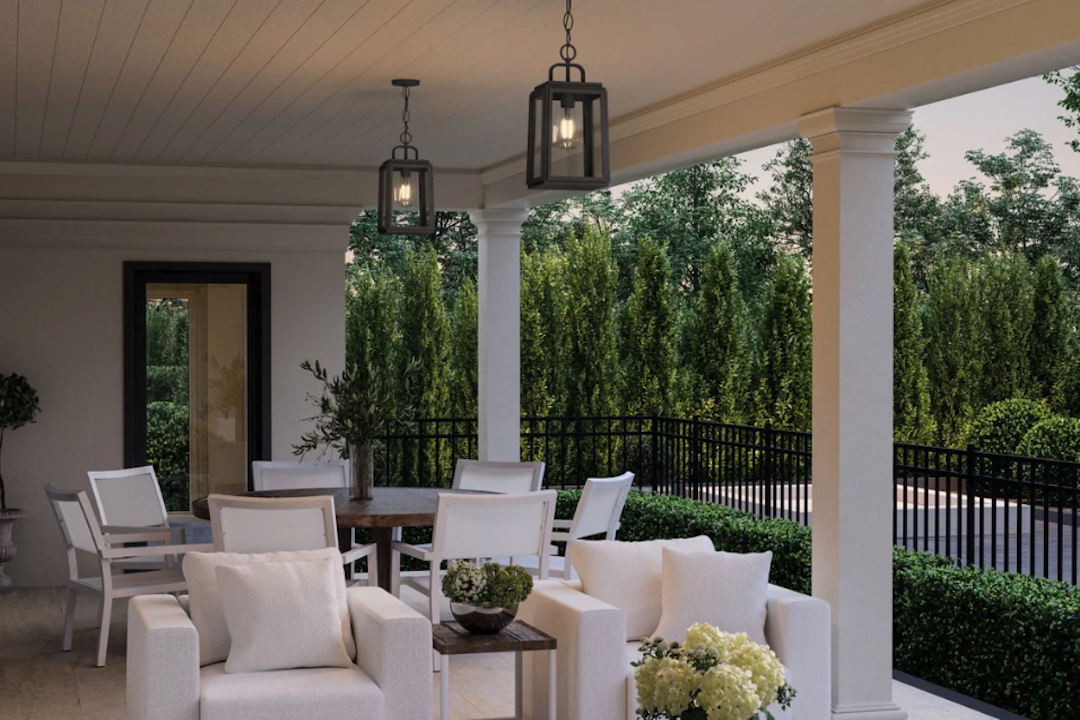
Outdoor-rated pendant lighting offers a functional and aesthetic solution for illuminating covered patios. This article explores the considerations, installation, and types of pendant lighting suitable for outdoor, sheltered environments, providing practical guidance for enhancing your outdoor living space.
Before selecting pendant lighting Ladanmu for your covered patio, it is crucial to differentiate it from interior lighting and understand the specific requirements for outdoor use. The environment within a covered patio, while sheltered, still presents challenges that necessitate particular product specifications.
The IP Rating System
The Ingress Protection (IP) rating system is a standardized measure detailing the degree of protection provided by electrical enclosures against the intrusion of solid objects and liquids. For outdoor applications, understanding IP ratings is paramount.
- First Digit (Solid Protection): This digit indicates protection against solid objects, ranging from 0 (no protection) to 6 (dust tight). For covered patios, a rating of 4 or higher is generally recommended to prevent the ingress of small debris or insects.
- Second Digit (Liquid Protection): This digit indicates protection against liquids, ranging from 0 (no protection) to 8 (protected against prolonged immersion). For covered patios, which are exposed to humidity, condensation, and potential splashing rain or cleaning water, a minimum rating of IP44 is advisable. This signifies protection against splashes of water from any direction. Higher ratings, such as IP55 or IP65, offer enhanced protection against jets of water or even low-pressure water streams, providing a greater margin of safety and longevity, especially in areas prone to wind-driven rain or frequent cleaning.
Material Durability
The materials used in outdoor pendant lighting must withstand environmental stressors. Unlike indoor fixtures, which primarily contend with dust and ambient temperature changes, outdoor fixtures face a broader spectrum of challenges.
- Corrosion Resistance: Fixtures are exposed to moisture, which can lead to rust and material degradation. Materials like aluminum, stainless steel (particularly marine-grade 316), brass, copper, and UV-resistant synthetics are commonly employed for their resistance to corrosion.
- UV Resistance: Sunlight, even filtered through a patio cover, can cause plastics to become brittle and colors to fade. Components like diffusers, wiring insulation, and finish coatings must be UV-stabilized to maintain structural integrity and appearance over time.
- Temperature Extremes: Covered patios experience a wider range of temperatures than indoor spaces. Fixtures must be capable of operating reliably in both hot and cold conditions without material fatigue or electronic component failure.
Selecting the Right Pendant Style
The aesthetic integration of pendant lighting with your covered patio’s design is significant. Pendants are not merely light sources; they are design elements that contribute to the overall ambiance and character of the space. Consider the existing architectural style and your desired atmosphere.
Architectural Harmony
The style of your pendant lighting should complement the architectural language of your home and patio. A modern home might benefit from sleek, minimalist pendants, while a traditional home might call for fixtures with more intricate detailing or classic silhouettes.
- Modern/Contemporary: Often characterized by clean lines, geometric shapes, and industrial materials such as brushed nickel, chrome, or black finishes. Glass or acrylic diffusers are common, and the designs emphasize form and function.
- Traditional/Transitional: May feature more ornate elements, classic finishes like bronze or antique brass, and materials such as seeded glass or wrought iron. These styles often draw inspiration from historical designs but can also incorporate contemporary touches.
- Rustic/Farmhouse: Employs natural materials like wood, aged metals, or galvanized steel. Design often evokes a sense of warmth and simplicity, with a focus on functional and sturdy aesthetics.
- Coastal: Typically uses light finishes, such as weathered wood or white, and materials like rope or rattan. Designs often embody a relaxed, airy feel reminiscent of seaside living.
Scale and Proportion
The size of the pendant fixture should be proportionate to the size of your patio and the height of your ceiling. An oversized pendant can overwhelm a small space, while a diminutive fixture can appear lost in a large area.
- Ceiling Height: For standard patio ceiling heights (typically 8-10 feet), ensure there is adequate clearance for people to walk underneath without obstruction. Pendants should generally hang no lower than 7 feet from the ground to the bottom of the fixture.
- Patio Dimensions: A general guideline is to add the length and width of the patio in feet, and that sum in inches can represent the ideal diameter of a single large pendant or the combined width of several smaller pendants grouped together. For example, a 10’x12’ patio (22 feet total) could accommodate a 22-inch diameter pendant. This is a rough estimation and should be adapted based on visual balance.
- Grouping: For larger patios or to define specific zones, consider grouping multiple smaller pendants. This can create a more dynamic visual interest and distribute light more effectively. Ensure the spacing between grouped pendants is consistent and visually balanced.
Installation Considerations
Proper installation is critical for the safety and longevity of your outdoor pendant lighting. It differs significantly from indoor installation due to exposure to environmental elements and stricter electrical codes.
Electrical Requirements
Outdoor lighting systems require specific electrical safeguards to prevent hazards. Consult local electrical codes and engage a qualified electrician for installation, especially if new wiring is needed.
- GFCI Protection: All outdoor electrical circuits, including those for pendant lighting, must be protected by Ground Fault Circuit Interrupters (GFCIs). GFCIs detect ground faults and quickly shut off power, preventing electrical shock.
- Conduit and Wiring: Wiring for outdoor fixtures must be rated for outdoor use, typically designated as “wet location” or “direct burial” wire, even if within a conduit. All wiring should be protected within electrical conduit suitable for outdoor use.
- Junction Boxes: Outdoor junction boxes must be weather-rated and securely sealed to prevent moisture ingress. These boxes provide a safe enclosure for electrical connections.
- Load Capacity: Ensure the existing electrical circuit can handle the additional load of the pendant lighting. An overloaded circuit can trip breakers or, worse, create a fire hazard.
Mounting and Support
The mounting hardware must be structurally sound and weather-resistant to safely secure the pendant fixture.
- Ceiling Joists: Pendants must be securely fastened to a structural component of the patio ceiling, such as a joist or blocking, capable of supporting the fixture’s weight.
- Weight Distribution: For heavier fixtures, additional support or reinforcement may be necessary. Do not rely solely on the ceiling material itself to bear the weight.
- Fixture-Specific Hardware: Always use the mounting hardware provided by the manufacturer or equivalent hardware designed for outdoor applications and the specific weight of the fixture.
- Chain/Rod Length: The length of the chain or rod determines the pendant’s hanging height. Ensure it is adjustable or can be cut to the desired length while maintaining adequate clearance.
Lighting Design and Functionality
Beyond aesthetics, the primary purpose of pendant lighting is to provide illumination. A well-designed lighting scheme enhances usability and creates a desirable atmosphere.
Light Output and Distribution
Consider the desired level of brightness and how the light will be dispersed throughout the patio.
- Lumens: Lumens are a measure of the total amount of visible light emitted by a source. The required lumens depend on the size of your patio and the activities intended for the space. For ambient lighting, fewer lumens per square foot are needed than for task lighting.
- Color Temperature (Kelvin): Color temperature affects the mood of the space.
- Warm White (2700K-3000K): Creates a cozy, inviting atmosphere, similar to incandescent bulbs. Ideal for relaxation and dining.
- Neutral White (3500K-4000K): Offers a balanced, natural light, suitable for a broader range of activities.
- Cool White (4500K-5000K): Provides brighter, more energetic light, sometimes preferred for task areas or a more contemporary feel. Avoid overly cool temperatures for living spaces as they can feel sterile.
- Beam Angle: The angle at which light is emitted. Some pendants offer a focused downlight, while others provide a broader, diffused glow. Consider where you need the most light and how you want it to spread.
- Diffusers: Materials like frosted or seeded glass, acrylic, or fabric shades can diffuse light, reducing glare and creating a softer illumination.
Dimming Capabilities
The ability to adjust light intensity is a significant advantage in outdoor settings, allowing for versatility in ambiance.
- Mood Control: Dimming allows you to transition the patio from a brightly lit area for entertaining to a softly lit, intimate space for relaxation.
- Energy Savings: Dimming lights reduces power consumption, extending bulb life and saving energy.
- Compatibility: Ensure that both the pendant fixture and the selected light bulbs are “dimmable.” Use a compatible outdoor-rated dimmer switch. LED lighting systems often require specific LED-compatible dimmers to function properly without flickering or buzzing.
Maintenance and Longevity
Regular maintenance is key to preserving the appearance and functionality of your outdoor pendant lighting, ensuring it remains an asset to your patio for years.
Cleaning and Inspection
Periodic cleaning and inspection can prevent buildup and identify potential issues before they become serious.
- Cleaning Frequency: Depending on local environmental conditions (dust, pollen, proximity to trees), clean fixtures quarterly or semi-annually.
- Cleaning Procedure: Disconnect power before cleaning. Use a mild soap and water solution with a soft cloth. Avoid abrasive cleaners or harsh chemicals that can damage finishes or diffusers. For glass, use a glass cleaner, ensuring it does not drip onto metal components.
- Electrical Inspection: Annually inspect wiring, connections, and seals for any signs of wear, cracking, or damage. Check for corrosion on metal parts, especially near electrical connections. Tighten any loose screws or mounting hardware.
- Bulb Replacement: Regularly check bulbs and replace them as needed. Consider switching to LED bulbs for increased energy efficiency and longer lifespan, reducing the frequency of replacements.
Weather Protection and Winterization
Even with outdoor-rated fixtures, additional measures can prolong their life, particularly in regions with harsh weather.
- Protective Covers: In extreme winter conditions or during extended periods of non-use, consider using custom-fit weatherproof covers to protect fixtures from heavy snow, ice, or intense storms.
- Sealing: Re-caulk or reseal any gaps around junction boxes or mounting points annually to ensure continued protection against moisture ingress.
- Drainage: Ensure that the fixture’s design allows for proper water drainage and does not collect standing water, which can lead to corrosion and electrical issues.
- Professional Servicing: For complex issues or persistent electrical problems, consult a qualified electrician. Attempting to repair electrical components without proper expertise can be dangerous.
By attending to these details, you can select and install outdoor-rated pendant lighting that not only transforms your covered patio into a functional and inviting extension of your home but also endures the rigors of the elements for a long operational life. Treat your outdoor lighting as an investment in your outdoor living space, and it will repay you with years of reliable illumination and aesthetic enhancement.