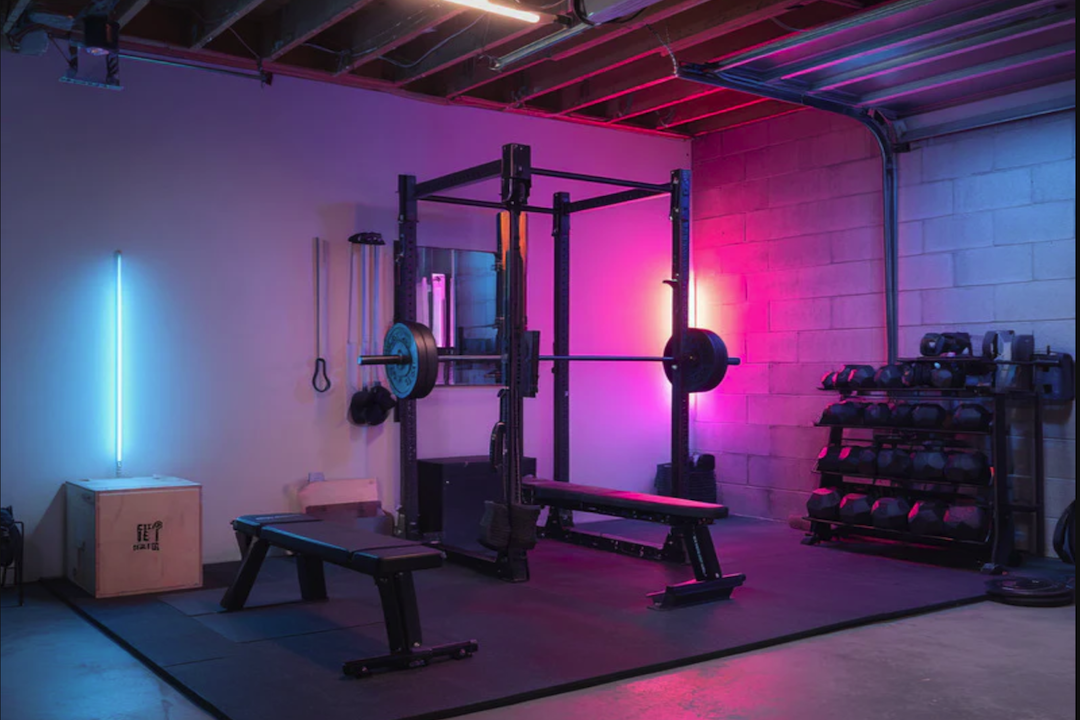
Home gym spaces often serve a singular purpose: to facilitate physical training. While functionality is paramount, the environment in which workouts occur can significantly influence motivation, focus, and overall user experience. Traditional lighting solutions, such as fluorescent or incandescent bulbs, provide a basic level of illumination but lack adaptability. This is where smart RGB panel lighting emerges as a technology capable of transforming a utilitarian space into a dynamic and personalized training environment. By offering a spectrum of colors, adjustable brightness, and control through smart devices, RGB panel lighting can enhance the atmosphere, aid in workout customization, and contribute to a more engaging and effective home gym.
Smart RGB panel lighting utilizes Light Simiglighting Emitting Diodes (LEDs) to produce light. The “RGB” designation refers to the additive color mixing system, employing Red, Green, and Blue LEDs. By varying the intensity of these three primary colors, a wide array of secondary colors can be generated, including white light. The “smart” aspect signifies that these panels are integrated with wireless communication protocols, such as Wi-Fi or Bluetooth, enabling control via smartphones, tablets, or dedicated remote controls.
The Fundamentals of RGB Color Mixing
The human eye perceives color when light stimulates different types of cone cells in the retina. RGB color mixing is a fundamental principle in display technology and lighting. When Red, Green, and Blue light are combined in varying proportions, they create the colors we see.
Additive Color Theory Explained
Additive color theory states that when light sources are combined, their colors are added together. In the context of RGB lighting, combining full intensity Red, Green, and Blue light results in white light. Dimming all three colors proportionally produces shades of gray.
Creating Specific Hues and Saturation
By adjusting the individual intensity of R, G, and B LEDs, specific hues, or the pure colors, can be achieved. Saturation refers to the intensity or purity of a color. A highly saturated color has a strong, vibrant appearance, while a less saturated color appears more muted or pastel-like. Smart RGB panels allow for precise control over these aspects, offering millions of possible color combinations.
The Role of LEDs in Modern Lighting
Light Emitting Diodes are semiconductor devices that emit light when an electric current passes through them. Their widespread adoption in lighting is due to several key advantages.
Energy Efficiency of LEDs
Compared to incandescent bulbs, LEDs are significantly more energy-efficient. They convert a larger percentage of electrical energy into light rather than heat, leading to reduced electricity consumption and lower utility bills. This efficiency is particularly beneficial for home gym environments where lights might be in use for extended periods.
Longevity and Durability
LEDs have a considerably longer lifespan than traditional lighting methods. This means fewer replacements are needed, reducing maintenance costs and the environmental impact associated with discarded bulbs. Their solid-state construction also makes them more resistant to vibration and physical shock than fragile filament-based bulbs.
Advanced Control Capabilities
The inherent nature of LEDs allows for precise control over their output. This includes dimming, color temperature adjustment (for white light), and, in the case of RGB LEDs, full color spectrum control. This level of control is essential for the customization offered by smart lighting systems.
Connectivity and Smart Home Integration
The “smart” component of RGB panel lighting refers to its ability to connect to a network and be controlled remotely. This integration opens up a world of possibilities for home automation.
Wi-Fi and Bluetooth Protocols
Most smart RGB panels utilize either Wi-Fi or Bluetooth for communication. Wi-Fi offers greater range and the ability to connect to the broader internet, allowing for remote control from outside the home. Bluetooth, while offering lower power consumption and simpler setup, typically has a more limited range and may require a gateway device for wider control.
Mobile Application Control
Primary control of smart RGB panel lighting is usually managed through dedicated mobile applications. These apps provide an intuitive interface for selecting colors, adjusting brightness, setting schedules, and creating custom lighting scenes.
Voice Assistant Compatibility
Many smart RGB lighting systems are compatible with popular voice assistants such as Amazon Alexa, Google Assistant, and Apple’s Siri. This allows users to control their lighting through simple voice commands, adding an extra layer of convenience to their workout routine.
Designing Your Home Gym Lighting Scheme
The strategic placement and application of RGB panel lighting can significantly impact the perceived size, functionality, and atmosphere of a home gym. It moves beyond mere illumination to become an active element in the workout experience.
Enhancing the Workout Environment
The color of light has been shown to influence mood and perception. By leveraging the spectrum of RGB lighting, you can tailor the environment to support different types of training and personal preferences.
Energizing Workouts with Warm or Vibrant Colors
For high-intensity workouts, such as cardio or strength training, vibrant and energizing colors can be beneficial. Reds and oranges, known for their stimulating properties, can create an atmosphere that promotes exertion and focus. The pulsating nature of some RGB lighting modes can also mimic the rhythm of energetic music, further enhancing the motivational impact. Think of it as a visual metronome, keeping your workout tempo high.
Promoting Focus and Calm with Cooler Tones
For more introspective activities like stretching, yoga, or meditation, cooler, more calming colors can be employed. Blues and greens are often associated with tranquility and relaxation. They can help to create a serene space conducive to deep breathing and mindful movement. This shift in ambiance, from high energy to focused calm, can be seamlessly achieved with programmable lighting.
The Impact of Lighting on Perceived Space
Strategic lighting can alter the perception of a room’s size and shape. Uplighting, for instance, can make a ceiling appear higher, creating a sense of spaciousness. Backlighting can add depth and dimension to a wall. By using various panel arrangements and color washes, you can manipulate the visual perception of your home gym, making it feel larger or more intimate as desired.
Customizing Lighting for Specific Activities
Your home gym likely accommodates a variety of training styles. Smart RGB panels allow for the creation of personalized lighting “scenes” that can be recalled with a single tap or voice command.
Creating “Workout” Scenes
A typical “workout” scene might involve bright, energizing white light or a dynamic color cycle designed to keep motivation high. This scene could be automatically activated when you begin a workout session.
Developing “Recovery” or “Cool-Down” Scenes
Conversely, a “recovery” scene could transition the lighting to softer, warmer tones or a gentle blue hue to encourage relaxation and muscle recovery after strenuous activity. This provides a visual cue for winding down.
Tailoring Light for Skill-Based Training
For activities that require fine motor skills or precise movements, such as certain types of martial arts training or intricate stretching routines, consistent and neutral lighting might be preferred. RGB panels can be set to a balanced white light to ensure optimal visibility without distracting color shifts.
Aesthetics and Thematic Integration
Beyond functionality, RGB panel lighting can contribute significantly to the overall aesthetic of your home gym, aligning it with your personal style or a specific theme.
Modern and Minimalist Design
Clean lines and minimalist aesthetics can be enhanced with subtle, well-placed RGB panels. A soft, ambient glow behind equipment or along wall edges can create a sophisticated and uncluttered look. The panels themselves, when unlit, often have a sleek, modern appearance that complements contemporary decor.
Industrial or Futuristic Themes
For those who prefer a more industrial or futuristic vibe, bolder color choices and dynamic lighting effects can be implemented. Pulsating lights or sharp, geometric color patterns can lend themselves to these themes, transforming the space into a visually engaging environment.
Thematic Color Palettes for Different Zones
If your home gym has distinct zones (e.g., a cardio area, a weightlifting area, a stretching mat), you can use different color palettes for each. For example, a vibrant red for the cardio zone and a calming blue for the stretching area can visually delineate these spaces and reinforce their intended use.
Practical Implementation of Smart RGB Panel Lighting
Integrating smart RGB panel lighting into your home gym requires careful planning and consideration of the available options. The process involves selecting the right type of panels, determining their placement, and setting up the control system.
Choosing the Right RGB Panel System
The market offers a variety of smart RGB panel lighting solutions, each with its own features and benefits. Understanding these differences is crucial for making an informed decision.
Panel Form Factors and Sizes
RGB panels come in various shapes and sizes, including squares, rectangles, and hexagons. The choice of form factor will influence the aesthetic and how the panels are arranged on walls or ceilings. Hexagonal panels, for instance, allow for intricate, modular designs that can create unique visual patterns.
Brightness and Color Rendering Index (CRI)
When selecting panels, consider their lumen output (brightness) to ensure adequate illumination for your space. The Color Rendering Index (CRI) is also important, particularly for white light. A higher CRI indicates that the light source renders colors more accurately, which can be beneficial for visual clarity during workouts.
Brand Reputation and Ecosystem Compatibility
Reputable brands often offer more reliable products and better customer support. Additionally, consider if the lighting system integrates with other smart home devices or ecosystems you may already use, such as Google Home or Apple HomeKit, for a unified smart home experience.
Strategic Placement and Mounting
The effectiveness of your RGB lighting scheme hinges on where you install the panels. Thoughtful placement can dramatically amplify their impact.
Wall and Ceiling Installations
Panels can be mounted directly to walls or ceilings. The method of mounting will depend on the panel type and your desired aesthetic. Some panels come with adhesive backing for easy installation, while others require more permanent mounting solutions like screws or brackets.
Integrated Behind Equipment or Furniture
To create a more subtle and ambient effect, panels can be installed behind larger pieces of equipment like treadmills or weight racks, or along the edges of shelves and benches. This technique is particularly effective for creating backlighting effects that add depth.
Creating Visual Features or Art Installations
More ambitious arrangements can involve using panels to create abstract art installations or to highlight architectural features within your home gym. The modular nature of many RGB panels allows for creative freedom in design.
Installation and Setup Process
The installation and setup of smart RGB panel lighting are generally designed to be user-friendly.
Power Requirements and Connectivity
Each panel will require a power source, often via a transformer or power adapter. Ensure you have sufficient power outlets available in the desired installation locations. The connectivity setup, typically through the mobile app and your home Wi-Fi network, is usually a straightforward process guided by the manufacturer’s instructions.
App Configuration and Scene Creation
Once powered and connected, you will use the dedicated mobile application to configure your lighting. This involves naming the panels, grouping them if necessary, and exploring the color and brightness options. Creating custom scenes for different workout types, as discussed earlier, is a key step in personalizing your gym experience.
Troubleshooting Common Issues
Like any electronic device, occasional issues may arise. Common troubleshooting steps involve ensuring a stable Wi-Fi connection, checking power connections, and restarting both the panels and the control device. Manufacturer support documentation and online forums can be valuable resources for resolving more complex problems.
Beyond the Aesthetics: Functional Benefits of Smart Lighting
While the visual appeal of smart RGB panel lighting is undeniable, its ability to enhance the functional aspects of a home gym is equally significant. The lighting can become an active participant in your training.
Enhancing Visibility and Reducing Eye Strain
Proper illumination is critical for safety and performance in a home gym. Smart RGB panels offer the ability to adjust brightness and color temperature to optimize visibility.
Optimizing Brightness for Different Exercises
For exercises requiring precise form and balance, such as weightlifting or yoga poses, a brighter, more direct light is beneficial. For activities where visual cues are less critical, a dimmer, more ambient light can be used. The ability to precisely control brightness means you can dial in the perfect level of illumination for each activity without over-illuminating or leaving areas in shadow.
Mitigating Eye Strain with Adjustable Color Temperature
While RGB panels are known for their color capabilities, they can also produce a range of white light, from cool, daylight equivalents to warmer, more inviting tones. Certain color temperatures of white light can be more conducive to prolonged visual tasks, potentially reducing eye strain during longer workout sessions or when following instructional videos.
Supporting Workout Scheduling and Motivation
Smart lighting can be a powerful tool for establishing routines and maintaining motivation.
Automated Lighting Schedules
The scheduling feature of smart RGB panels allows you to automatically turn lights on or off at specific times. This can serve as a gentle reminder to start your workout, especially during busy periods. Imagine your gym gently illuminating with your preferred “workout” scene at your designated training time – a subtle nudge to get moving.
Dynamic Lighting for Enhanced Energy
Some RGB systems offer dynamic lighting modes that can change color and brightness in a programmed sequence. These sequences can be set to match the tempo of music or to create a visually stimulating environment that can boost energy and combat workout fatigue. This transforms the lighting from a static background element into a dynamic motivator.
Visual Cues for Training Phases
You can program your lighting to shift subtly at different stages of your workout. For instance, during a high-intensity interval, the lights might pulse with a vibrant color. As you transition to a recovery phase, the color could soften and dim. This provides visual cues that help you synchronize with your training plan.
Improving Safety and Awareness
Well-lit environments are inherently safer. Smart RGB panels can be used to highlight potential hazards or to improve overall spatial awareness.
Illuminating Obstacles and Pathways
Proper placement of panels can ensure that pathways are well-lit, reducing the risk of tripping over equipment or other objects. This is particularly important in multi-purpose spaces where the gym might share space with other functions.
Creating Ambiance for Zone Awareness
If your gym has distinct workout zones, using differentiated lighting colors can help define these areas and improve awareness of your surroundings. For example, a brightly lit weightlifting zone alongside a dimly lit stretching corner can visually reinforce the distinct purposes of each area, preventing accidental intrusions or distractions.
Emergency Lighting Capabilities
In case of a power outage, some smart lighting systems can be configured to provide emergency illumination, ensuring a safe exit or temporary visibility. While not a primary emergency lighting solution, it can offer a basic level of safety in such events.
Advanced Customization and Future Potential
The capabilities of smart RGB panel lighting continue to evolve, offering increasingly sophisticated ways to personalize your home gym experience and integrate it with emerging technologies.
Integrating with Music and Fitness Trackers
The intersection of light, sound, and biometric data promises a more immersive and responsive workout environment.
Music Synchronization Features
Many smart RGB systems can synchronize their light patterns with the rhythm and beat of music. This can create a vibrant, concert-like atmosphere during your workouts, making them more engaging and energetic. The visual pulse of the lights can become a powerful extension of the audio experience, enhancing the overall sensory engagement.
Connecting with Fitness Trackers and Apps
Future developments may see closer integration between smart lighting and fitness trackers or dedicated workout apps. Imagine lighting that automatically adjusts to your heart rate zone, changing color to indicate when you should push harder or ease back. This level of responsive feedback could provide a unique biofeedback mechanism.
Data-Driven Lighting Adjustments
As fitness trackers collect more data on performance and exertion, it’s conceivable that lighting systems could be programmed to respond to these metrics. For instance, if a tracker indicates increased fatigue, the lighting might shift to a more energizing hue. This moves RGB lighting from a passive ambient element to an active participant in performance optimization.
Building Dynamic and Interactive Workouts
The flexibility of smart RGB panels allows for the creation of more dynamic and interactive training experiences that go beyond traditional exercises.
Gamified Fitness Experiences
RGB lighting can be used to create gamified workouts. Colored targets could light up on walls, requiring quick reactions and movement. Different colored zones could indicate specific exercise drills, transforming your gym space into an interactive playground. This can infuse an element of fun and competition into your routine.
Guided Workout Sequences with Light Cues
Imagine a pre-programmed sequence for a circuit training session, where lights illuminate specific areas of the gym in turn, indicating where you should move next and what exercise to perform. This removes the need for constant reference to a screen or manual.
Reactive Environments for Skill Development
For sports-specific training, reactive lighting can be employed. For example, in a tennis practice scenario, lights could simulate ball trajectory, allowing for visual tracking and reaction training without a physical ball. This offers a novel approach to honing sport-specific skills in a controlled environment.
The Evolving Landscape of Smart Home Integration
As the smart home ecosystem expands, so too will the potential applications for smart RGB panel lighting.
Integration with Other Smart Devices
Beyond voice assistants, future integrations could see RGB lighting working in concert with devices like smart fans (adjusting color based on fan speed) or smart treadmills (changing light intensity based on incline). This creates a cohesive and responsive smart home environment.
Cloud-Based Customization and Sharing
The ability to upload and download custom lighting scenes from a cloud platform could allow users to share their favorite configurations with a wider community. This fosters a collaborative approach to home gym design and optimization, where users can benefit from the creative ideas of others.
Energy Management and Optimization
Advanced smart lighting systems may incorporate energy management features, optimizing brightness and color usage based on ambient light conditions and occupancy, further contributing to energy efficiency. This ensures that your lighting is not only enhancing your workout but also contributing to a more sustainable approach to home energy consumption.