This article discusses hand-blown glass pendant lights, examining their aesthetic qualities, manufacturing processes, and applications in interior design.
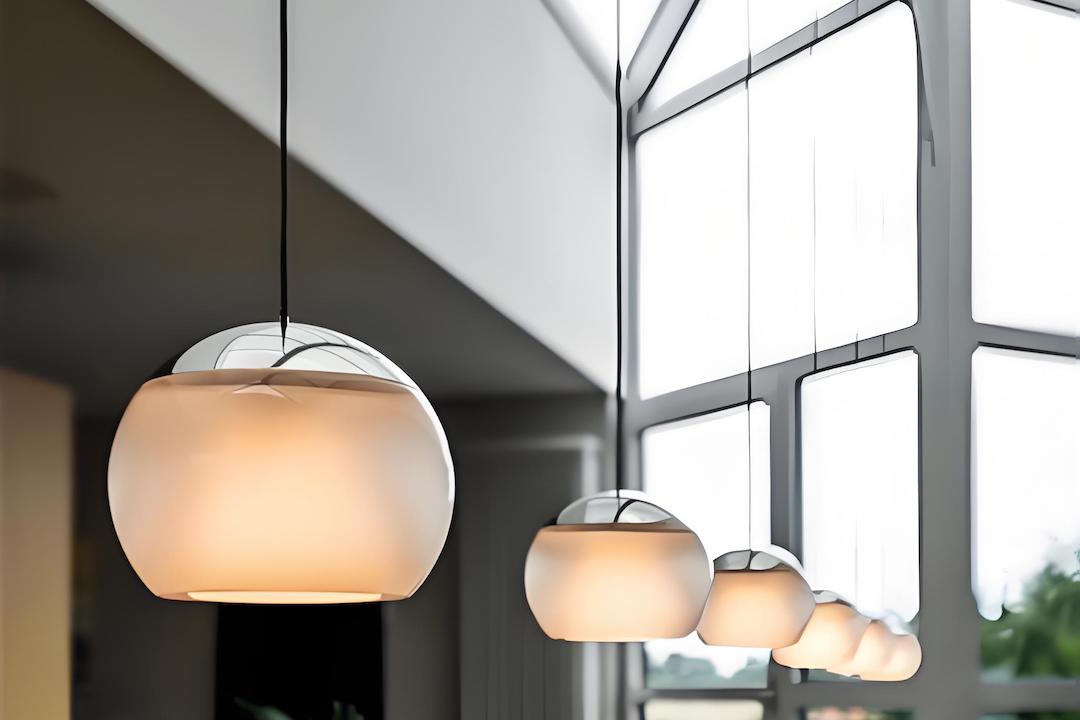
Hand-blown glass pendant lights Mssloan represent a fusion of artisanal craftsmanship and functional illumination. Each fixture is a unique creation, born from the molten embrace of glass and the skilled breath of a glassblower. Unlike mass-produced lighting, these pieces carry the inherent characteristics of their making, reflecting subtle variations in form, color, and texture. They are not merely sources of light but also sculpted objects that contribute to the visual narrative of a space. The interplay of light through the nuanced surfaces of hand-blown glass can transform ambient conditions, casting dynamic shadows and infusing rooms with a particular quality of luminescence. The process itself, a centuries-old tradition, imbues each pendant with a history and a story, making it more than just a decorative item.
Historical Context of Glassblowing and Lighting
The origins of glassblowing can be traced back to the Roman Empire, around the 1st century BCE. Initially, glass was primarily used for vessels and decorative objects. The development of lighting fixtures that utilized glass evolved over centuries, with early forms incorporating oil lamps or candles. As technology advanced, leading to the incandescent bulb, the demand for more refined and aesthetically pleasing lighting solutions grew. Hand-blown glass lent itself to this evolution, allowing for intricate shapes and vibrant colors that enhanced the visual appeal of early electric lighting. The ability to manipulate molten glass provided a canvas for artistic expression, enabling the creation of lighting elements that were both functional and ornamental.
The Unique Appeal of Hand-Blown Glass
The appeal of hand-blown glass pendant lights stems from several key attributes. Firstly, their inherent uniqueness. No two pieces are precisely identical, a testament to the human touch involved in their creation. This individuality contrasts with the uniformity often found in manufactured goods. Secondly, the tactile and visual qualities of blown glass are distinct. The way light passes through, refracts, and is captured within the glass creates a depth and richness that cannot be replicated by other materials. The surface texture, whether smooth and polished or deliberately textured, further contributes to this sensory experience. Finally, the perception of quality and artistry associated with hand-blown items often elevates their perceived value.
The Craft of Glassblowing for Pendant Lights
The creation of a hand-blown glass pendant light is a detailed and demanding process requiring specialized skills and equipment. It involves transforming raw materials into a luminous work of art through controlled heat, breath, and manipulation. The glassblower’s expertise is crucial at every stage, from gathering the molten glass to shaping and finishing the final product.
From Sand to Molten Glass: The Raw Materials
The fundamental ingredient in glass is silica, typically sourced from sand. This sand is mixed with other compounds, such as soda ash (sodium carbonate) to lower the melting point and limestone (calcium carbonate) to improve durability and chemical resistance. These raw materials are carefully proportioned and heated in a furnace to temperatures exceeding 1,400 degrees Celsius (approximately 2,550 degrees Fahrenheit). The result is a viscous, molten liquid known as “glass melt.” The precise composition of this mixture, often referred to as a “batch,” determines the final properties of the glass, including its color, clarity, and thermal expansion characteristics.
The “Gathering” and “Puffing” Process
The initial stage of blowing involves a glassblower using a long, hollow metal pipe, called a blowpipe or punty. The tip of the blowpipe is dipped into the molten glass, and a mass of this hot liquid is “gathered” onto the end. This gathering process must be done carefully to ensure an even distribution of glass. Once a sufficient amount of molten glass is acquired, the glassblower brings the blowpipe to their mouth and gently exhales. This initial breath, often referred to as the “puffer,” is crucial for creating a small air bubble within the glass mass. This bubble serves as the nascent cavity that will be expanded and shaped.
Shaping the Form: Tools and Techniques
With the initial bubble established, the glassblower proceeds to shape the nascent pendant. This is achieved through a combination of techniques and the use of various tools. Rotating the blowpipe allows gravity to guide the molten glass, while skilled movements of the pipe and tools help to define the desired form. Wooden blocks, metal tools with rollers or paddles, and even wet newspaper can be employed to sculpt the glass, creating symmetry, defining curves, and controlling the thickness of the walls. The heat of the glass is meticulously managed throughout this process; if it cools too quickly, it becomes unworkable, and if it remains too hot, it loses its shape. The glassblower must possess a keen sense of timing and a practiced hand to navigate these critical stages.
Introducing Color and Texture
Color is introduced into hand-blown glass either by adding metallic oxides or other coloring agents to the glass batch before melting, or by “casing” the glass. Casing involves gathering a layer of molten glass of one color over a partially formed piece of another color. This layering technique allows for complex color combinations and visual depth. Texture can be achieved in various ways. Molds, either pre-made or created from materials like sand or clay, can be used to impart patterns. Alternatively, textures can be created by rolling the hot glass in granular materials, or by applying specific tools to the surface while it is still pliable. These variations in color and texture are integral to the aesthetic character of hand-blown pendant lights.
Annealing: The Cooling Process
Once the desired shape and features are achieved, the glass pendant must undergo a slow and controlled cooling process called annealing. This is a critical step to prevent the glass from shattering due to internal stress. The newly formed pendant is carefully placed into a specialized oven, known as a lehr. The lehr heats the glass to a temperature just below its softening point and then gradually cools it over a period of hours, or even days, depending on the size and thickness of the piece. This slow cooling allows the molecules within the glass to relax and redistribute, relieving inherent stresses that would otherwise cause thermal shock and breakage.
Design and Aesthetic Applications
Hand-blown glass pendant lights offer a versatile range of design possibilities, capable of complementing a wide spectrum of interior styles. Their inherent artistry allows them to serve as focal points, adding character and sophistication to both residential and commercial spaces. The interplay of light and form makes them adaptable to various functional and decorative roles.
Modern and Minimalist Interiors
In modern and minimalist environments, hand-blown glass pendant lights can provide a counterpoint to clean lines and uncluttered aesthetics. A single, elegantly shaped clear or subtly colored glass pendant can act as a quiet statement piece, drawing attention without overwhelming the space. The transparency of the glass allows light to pass through unimpeded, contributing to an open and airy feel. The form itself, whether a simple sphere, an elongated teardrop, or a geometric shape, becomes a sculptural element. For these interiors, the focus is often on the purity of the material and the refined silhouette of the fixture.
Complementing Traditional and Eclectic Styles
For traditional interiors, hand-blown glass pendant lights can introduce elements of classic elegance. Fixtures with richer, more saturated colors, or those featuring intricate patterns and textures, can add depth and warmth. They can serve to echo, rather than compete with, existing decorative motifs. In eclectic spaces, where a mix of styles and periods is curated, a hand-blown glass pendant can act as a verbindend element, bridging different design languages with its unique artisanal appeal. The individuality of each piece can contribute to the curated, collected feel of such an environment.
Creating Ambiance and Mood
The ability of hand-blown glass to diffuse, refract, and reflect light is fundamental to its role in creating ambiance. The light emitted from a pendant can be soft and diffused, casting a warm glow, or it can be more directed, creating pools of light and shadow that add visual interest. The color of the glass itself plays a significant role in shaping the mood of a room. Warm tones can create a cozy and inviting atmosphere, while cooler tones might lend a sense of calm and sophistication. The interplay of light through the textured surface can also create dynamic visual effects, transforming a static space into something more engaging.
Materiality and Light Interaction
The perception of a hand-blown glass pendant light is inextricably linked to the interaction between the material and the light source. The thickness of the glass, its surface finish, and the presence of any inclusions or colorants all influence how light is transmitted, absorbed, and reflected. A thicker glass might diffuse light more extensively, creating a softer effect, while thinner glass could allow more direct light to pass through. The polished surface of glass will reflect light sharply, whereas a matte or textured surface will scatter it, creating a more subtle and diffused illumination. Understanding these material properties allows designers to select pendants that precisely match their lighting objectives.
Manufacturing Considerations and Quality
The production of hand-blown glass pendant lights involves distinct manufacturing considerations that impact their quality, durability, and ultimate suitability for use. These considerations extend from the initial design phase through to the final installation.
The Role of the Glassblower and Studio
The skill and experience of the glassblower are paramount to the quality of a hand-blown pendant light. Reputable glassblowing studios employ artisans who have honed their craft over years, possessing a deep understanding of glass properties and a precise control over the blowing and shaping process. The studio environment itself is equipped with specialized furnaces, tools, and ventilation systems necessary for working with molten glass safely and effectively. The collaborative nature of some studios, where designers and glassblowers work together, can lead to innovative and highly refined designs.
Material Choices and Durability
While glass is inherently fragile, the durability of hand-blown pendant lights can be influenced by several factors. The chemical composition of the glass batch, as previously mentioned, affects its strength and resistance to thermal shock. The thickness of the glass walls is also a critical factor; thicker glass generally offers greater resilience. Furthermore, the quality of the annealing process plays a crucial role in mitigating internal stresses, thereby enhancing the overall durability of the finished product. High-quality hand-blown glass pendants are designed and manufactured with these factors in mind to ensure a reasonable lifespan under normal use.
Variations and Imperfections as Characteristics
A defining characteristic of hand-blown glass pendant lights is the presence of slight variations and perceived imperfections. These are not flaws in the manufacturing process but rather inherent markers of their artisanal origin. Bubbles, small striations, or subtle irregularities in the surface are often considered desirable, adding to the unique character and authenticity of each piece. Unlike a mass-produced item that strives for absolute uniformity, these subtle deviations are embraced as evidence of the human hand at work. Understanding and appreciating these characteristics is key to valuing hand-blown glass.
Safety Standards and Electrical Components
Ensuring the electrical safety of any lighting fixture is of utmost importance. Hand-blown glass pendant lights, like all electrical products, must meet relevant safety standards and certifications. This includes the quality and proper installation of the lamp holder, wiring, and any associated electrical components. Manufacturers and installers have a responsibility to ensure that the glass is securely mounted and that the electrical connections are sound, preventing any risk of overheating or electrical malfunction. Reputable suppliers will provide documentation regarding safety compliance.
Installation and Maintenance
Proper installation and regular maintenance are essential for both the aesthetic presentation and the longevity of hand-blown glass pendant lights. These fixtures, while beautiful, require careful handling.
Professional Installation Recommendations
Due to the delicate nature of glass and the electrical components involved, professional installation is often recommended for hand-blown glass pendant lights. Electricians or experienced lighting installers possess the knowledge and tools to safely mount the fixture securely to the ceiling or chosen support structure. They can ensure that the wiring is correctly connected and that the overall installation is stable, preventing any risk of the pendant falling. This is particularly important for larger or heavier fixtures.
Cleaning and Polishing Techniques
Cleaning hand-blown glass pendant lights requires a gentle approach to preserve their finish and avoid damage. For routine dusting, a soft, dry microfiber cloth is typically sufficient. For more thorough cleaning, a mild glass cleaner can be applied sparingly to a cloth and then wiped onto the glass surface. Avoid harsh chemicals, abrasive materials, or excessive moisture, which can cloud or scratch the glass. It is advisable to turn off the light and allow the glass to cool completely before cleaning. When polishing, use a separate, clean, dry cloth to buff the glass to a shine, ensuring that all cleaning residue is removed.
Protecting Against Damage
Protecting hand-blown glass pendant lights from accidental damage is crucial. During installation, care should be taken not to strike the glass against hard surfaces. Once installed, avoid hanging heavy objects from the fixture or placing stress on the glass elements. Consider the placement of the pendants in high-traffic areas where they might be susceptible to bumps or knocks. If the pendants are exposed to direct sunlight for extended periods, prolonged UV exposure could potentially affect certain colored glasses over time, though this is generally more of a concern for painted finishes rather than integral glass colorants.
Bulb Selection and Light Source Considerations
The choice of bulb for a hand-blown glass pendant light significantly impacts the overall lighting effect. It is important to select bulbs that are compatible with the fixture’s electrical rating. For many hand-blown glass pendants, LED bulbs are an excellent choice. They are energy-efficient, produce less heat than incandescent bulbs (which can be beneficial for prolonged light exposure on glass), and are available in a wide range of color temperatures and brightness levels. The style of the bulb itself can also contribute to the aesthetic; exposed filament LED bulbs, for instance, can complement the vintage or artisanal feel of some glass pendants. The directionality of the light source should also be considered – a bulb that emits light upwards and downwards will create a different effect than one that emits light in all directions.
The Enduring Appeal of Hand-Blown Glass Pendant Lights
The allure of hand-blown glass pendant lights extends beyond fleeting trends. Their appeal is rooted in the inherent value of artisanal production, the unique tactile and visual qualities of the material, and their ability to imbue a space with character and warmth. As interior design continues to seek personal expression over mass uniformity, these handcrafted luminaries are poised to maintain their significant presence. They stand as a testament to the enduring power of skilled craftsmanship in shaping functional objects into pieces of art.
A Statement of Individuality
In an era of mass production, hand-blown glass pendant lights offer a distinct opportunity for individuals to inject personal style into their living and working environments. Each fixture is a subtle declaration of taste, a departure from the ubiquitous. This individuality is not about ostentation but about an appreciation for the subtle nuances that only handcrafted items possess. The choice of a specific color, shape, or texture communicates a personal narrative, contributing to a space that feels curated and authentic.
Investing in Timeless Craftsmanship
The purchase of a hand-blown glass pendant light can be viewed as an investment in timeless craftsmanship. While trends in interior design may shift, the fundamental appreciation for skillfully executed artistry remains constant. These fixtures are not disposable commodities but rather objects designed to be appreciated for their aesthetic and functional qualities over many years. The care and attention to detail invested in their creation translate into a product of lasting value, a piece that can be passed down or enjoyed for generations.
The Role in Sustainable Design
While not always the primary driver, hand-blown glass pendant lights can align with principles of sustainable design. The emphasis on skilled craftsmanship and the creation of durable, long-lasting objects inherently opposes the disposable culture often associated with mass manufacturing. Furthermore, the increasing availability of energy-efficient LED bulbs to illuminate these pendants enhances their sustainability profile. The focus on quality and longevity encourages a more mindful approach to consumption, prioritizing pieces that are built to endure aesthetically and functionally.
Bridging Tradition and Contemporary Living
The enduring appeal of hand-blown glass pendant lights lies in their remarkable ability to bridge the gap between tradition and contemporary living. They carry the historical weight of centuries-old glassblowing techniques, offering a connection to human ingenuity and artistic expression from the past. Yet, their adaptability in design, from sleek, modern forms to more ornate, traditional styles, ensures they are equally at home in the most current of interior settings. They are not relics of the past but vibrant contributors to the present, capable of enhancing and personalizing the spaces we inhabit today.