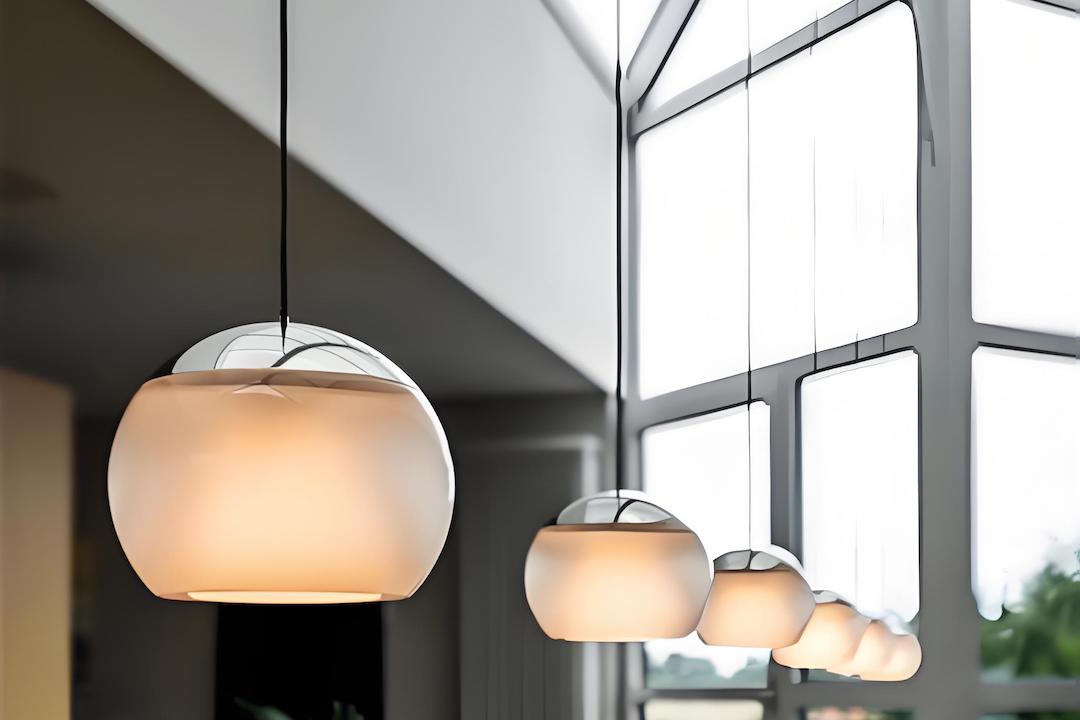

The illumination of a nursery serves multiple functions beyond mere visibility. It directly influences the infant’s sleep patterns, emotional regulation, and early sensory development. Unlike other rooms in a home, a nursery requires a lighting scheme that is adaptable, responsive, and specifically tailored to the unique physiological needs of a developing child. Traditional on/off lighting often fails to meet these nuanced demands, leading to disrupted sleep cycles and a less conducive environment for rest and growth.
Circadian Rhythms and Infant Development
Human beings, including infants, operate on circadian rhythms, a roughly 24-hour cycle regulating sleep and wakefulness. Light exposure, particularly its intensity and spectral composition, is a primary synchronizer of these rhythms. Bright, blue-rich light, common in many modern light sources, can suppress melatonin production, a hormone critical for initiating and maintaining sleep. Conversely, warmer, dimmer light promotes melatonin secretion. For infants, whose circadian systems are still maturing, consistent exposure to appropriate light cues is paramount for establishing healthy sleep patterns. Disruptions can manifest as irritability, frequent night awakenings, and feeding difficulties.
Visual Comfort and Stimulation
An infant’s visual system is rudimentary at birth and undergoes rapid development in the first year of life. Harsh, direct light can be overstimulating and cause discomfort, potentially hindering visual engagement. A well-designed nursery lighting system prioritizes diffused, indirect illumination that minimizes glare. While excessive brightness is detrimental, a certain level of gentle visual stimulation, such as variations in light and shadow, contributes to the development of visual perception and tracking abilities.
Safety Considerations
Beyond comfort and development, safety is a critical factor in nursery lighting. Luminaires should be installed securely and out of reach of curious hands. Electrical wiring must comply with safety standards, and any light source should not emit excessive heat, posing a burn risk. The selection of materials should also consider potential allergens or toxic substances if parts of the fixture are accessible to the infant.
Understanding Dim-to-Warm Technology
Dim-to-warm lighting, also known as warm-dim or tunable white, is a lighting innovation that replicates the spectral characteristics of incandescent bulbs as they are dimmed. Traditional LED dimming often results in a reduction of brightness without a significant change in color temperature, maintaining a cooler, bluer light even at lower intensities. Dim-to-warm technology, however, shifts the color temperature from a brighter, cooler white (e.g., 3000K or 2700K) to a significantly warmer, amber-like hue (e.g., 2200K or 1800K) as the light output decreases. This nuanced control offers unparalleled flexibility for creating dynamic and responsive environments.
The Mechanism of Dim-to-Warm LEDs
The technological core of dim-to-warm LEDs lies in a carefully engineered combination of different colored phosphors or multiple LED chips with varying color temperatures. As the input current or voltage is reduced during dimming, the control circuitry selectively reduces the output of the cooler-spectrum LEDs while maintaining or relatively increasing the output of the warmer-spectrum LEDs. This creates the perception of a gradual shift towards warmer tones, mimicking the familiar behavior of incandescent filament lighting. Some advanced systems might employ a dedicated control chip that actively mixes light from separate warm and cool white emitters to achieve the desired color temperature curve.
Color Temperature and its Psychological Impact
Color temperature, measured in Kelvin (K), describes the “warmth” or “coolness” of a light source. Lower Kelvin values (e.g., 2000K-3000K) correspond to warmer, more yellowish-red light, often associated with relaxation and coziness. Higher Kelvin values (e.g., 4000K-6500K) represent cooler, bluer light, which typically promotes alertness and concentration. In a nursery, the ability to transition between these extremes allows for precisely tailoring the environment to current needs – brighter, cooler light for daytime activities and warmer, dimmer light for winding down and sleep. This is akin to a gentle hand guiding the infant’s physiological state through the day.
Advantages over Standard Dimming
The primary advantage of dim-to-warm over standard LED dimming is its ability to preserve the natural transition of light. Standard dimming, while reducing brightness, often maintains a constant color temperature, which can still be perceived as harsh or artificial even at low light levels. Imagine a symphony orchestra where the volume can be lowered, but the tonal quality remains unchanging; dim-to-warm is like being able to adjust both the volume and the instrument selection, creating a more harmonious soundscape. This makes dim-to-warm particularly suitable for spaces where mood and ambiance are critical, such as nurseries, bedrooms, and dining areas.
Designing a Dim-to-Warm Nursery Lighting Scheme
Effective nursery lighting is not merely about installing a single dim-to-warm fixture; it involves a layered approach that considers various light sources and their strategic placement. It’s about orchestrating a symphony of light, where each instrument plays its part to create a harmonious environment.
Layered Lighting Principles
A well-designed lighting scheme incorporates three fundamental layers: ambient, task, and accent lighting.
- Ambient Lighting: This is the general illumination of the room, providing a comfortable level of brightness for overall visibility. In a nursery, ambient lighting should be soft, diffused, and capable of being significantly dimmed. Recessed downlights with wide beams or a central ceiling fixture with an opaque diffuser are suitable choices. The dim-to-warm capability here is crucial, allowing the ambient light to shift from a brighter, neutral white during the day to a very warm, low-level glow during naps or nighttime checks.
- Task Lighting: This layer provides focused illumination for specific activities. For a nursery, common task lighting needs include illumination over the changing table and a feeding area. A wall-mounted sconce with a dimmer near the changing table or a floor lamp adjacent to a glider can serve this purpose. The key is to direct light precisely where it’s needed without illuminating the entire room, thus minimizing disruption to a sleeping infant. Task lighting fixtures also benefit from dim-to-warm capability, allowing parents to adjust brightness and color temperature for comfort during late-night tasks.
- Accent Lighting: This layer is primarily decorative, highlighting architectural features or artwork. In a nursery, accent lighting could be a soft uplight behind a bookshelf or a small, low-wattage nightlight that projects gentle patterns. While not as critical for functionality, accent lighting can contribute to a soothing and visually interesting environment. Small, battery-operated fixtures or smart LED strips can be used for this purpose, often with customizable color and dimming options.
Fixture Selection and Placement
The type and placement of fixtures significantly impact the effectiveness of a dim-to-warm lighting system.
- Ceiling Fixtures: Recessed LED downlights are often preferred for ambient lighting due to their unobtrusive nature and ability to distribute light evenly. When selecting recessed lights, ensure they are rated for dimming and are compatible with dim-to-warm technology. For a softer look, a close-to-ceiling fixture with a translucent diffuser can also be effective.
- Wall Sconces: Wall sconces provide excellent ambient and task lighting without taking up floor space. When placed strategically, they can bounce light off the ceiling or walls, creating a softer, more diffused glow. Ensure sconces are mounted out of an infant’s reach as they grow.
- Floor Lamps and Table Lamps: These portable fixtures offer flexibility for task lighting and adding ambient warmth. Look for lamps with enclosed shades that direct light downwards or diffuse it widely, preventing direct glare. Placing a floor lamp near a glider or rocking chair creates a comfortable feeding nook.
- Nightlights: These are an essential component of nursery lighting, providing just enough illumination for parents to navigate without fully waking the infant. Dim-to-warm nightlights, or those with very low color temperatures, are ideal. Many smart nightlights offer customizable settings, allowing for a gradual fade-out or color changes.
Control Systems
The true power of dim-to-warm lighting is unlocked through effective control systems.
- Dimmers: Dedicated dimmers are essential for adjusting brightness and triggering the color temperature shift. Ensure the dimmer switch is compatible with the specific dim-to-warm LED fixtures or bulbs. Many modern dimmers offer smooth, flicker-free operation.
- Smart Home Integration: Integrating nursery lighting into a smart home system offers unparalleled convenience and automation. Parents can control lighting from their smartphone, tablet, or voice assistant, adjusting brightness, color temperature, and even setting schedules. This allows for pre-programmed “good morning” or “good night” lighting scenes that gradually transition over time, mimicking natural sunrise and sunset. Imagine being able to dim the lights from outside the nursery door without disturbing a sleeping child – this is the power of smart integration.
- Timers and Sensors: Timers can automate lighting changes, such as gradually dimming lights in the evening as bedtime approaches or slowly brightening them in the morning. Motion sensors can be strategically placed to trigger very low-level, warm lighting upon entry, preventing the need to fumble for switches in the dark. This is especially useful for nighttime diaper changes or feedings, where minimal light is desired.
Benefits of Dim-to-Warm Lighting in Nurseries
The thoughtful integration of dim-to-warm lighting brings a host of benefits that directly support the well-being and development of an infant, providing a more harmonious and responsive environment than traditional lighting solutions.
Promoting Healthy Sleep Cycles
The most significant advantage of dim-to-warm technology in a nursery is its capacity to support the natural development of an infant’s circadian rhythm. By providing warmer, dimmer light in the evening, it signals to the body that it’s time to prepare for sleep, encouraging melatonin production. Conversely, brighter, slightly cooler light in the morning can aid in wakefulness. This constant, gentle reinforcement helps establish regular sleep-wake patterns, which are crucial for physical and cognitive development in infants. Think of it as a subtle conductor guiding the orchestra of the infant’s internal clock.
Creating a Soothing and Calming Atmosphere
The ability to shift to warmer color temperatures transforms the nursery into a sanctuary of calm. Warm light wavelengths are perceived as cozier and more comforting, reducing stress and anxiety in both infants and parents. This is particularly beneficial during late-night feedings, diaper changes, or when comforting a restless child. The absence of harsh, bright light helps maintain a peaceful ambiance, preventing overstimulation and promoting relaxation. This is like wrapping the room in a soft, warm blanket of light.
Enhancing Parental Convenience and Comfort
Dim-to-warm lighting offers practical benefits for parents, simplifying daily routines and making nighttime care less disruptive.
- Undisturbed Nighttime Checks: Instead of fumbling for a bright switch that jolts a sleeping infant awake, parents can use a dimmer or smart controls to activate a very low-level, warm light. This provides just enough visibility for quick checks without disrupting the child’s sleep.
- Gentle Awakening: Gradually increasing the brightness and slightly raising the color temperature of the dim-to-warm lights in the morning can mimic a natural sunrise, aiding in a gentler awakening for the infant, rather than an abrupt switch to full brightness.
- Reduced Eye Strain: Performing tasks like feeding or changing diapers in a softly lit, warm environment is much easier on parental eyes, especially during the often-exhausting nighttime hours.
Adaptability for Various Activities
A nursery is a multi-functional space, accommodating sleep, play, feeding, and changing. Dim-to-warm lighting provides the versatility to adapt the lighting to each activity.
- Playtime: Brighter, more neutral light (e.g., 2700K-3000K) can be used to stimulate engagement during playtime, making toys and books more visually appealing.
- Storytime/Winding Down: As bedtime approaches, the lights can be gradually dimmed and warmed, signaling a transition from play to rest. This creates a cues the infant that it is nearing time to slow down and prepare for sleep.
- Sleep: During sleep periods, the lights can be set to their warmest, dimmest setting, providing a comforting glow if an infant happens to stir, without fully awakening them.
Installation and Maintenance Considerations
While the benefits are clear, the successful implementation of dim-to-warm lighting requires attention to installation, maintenance, and ongoing functionality.
Professional Installation vs. DIY
For complex installations involving new wiring or multiple fixture types, professional installation is recommended. An electrician can ensure safe wiring, proper dimmer compatibility, and optimal fixture placement. For simpler upgrades, such as replacing existing bulbs with dim-to-warm equivalents in compatible fixtures, a DIY approach may be feasible, provided the homeowner has a basic understanding of electrical safety and dimmer compatibility. However, when in doubt, seeking professional assistance is always the safer option. Faulty wiring can pose fire hazards and electrical shocks, which are entirely unacceptable in a nursery.
Compatibility with Dimming Systems
Not all dim-to-warm bulbs or fixtures are compatible with all dimmer switches. It is crucial to verify compatibility before purchase and installation. Many dim-to-warm LEDs require specific types of dimmers, such as those designed for LED loads, or “TRIAC” dimmers. Using an incompatible dimmer can lead to flickering, buzzing, or premature bulb failure. Checking manufacturer specifications for both the bulbs/fixtures and the dimmer switch is an absolute necessity.
Energy Efficiency
LED technology, including dim-to-warm variants, is inherently energy-efficient, consuming significantly less power than traditional incandescent or halogen bulbs. This translates to lower electricity bills and a reduced environmental footprint, a benefit that extends beyond the nursery. The long lifespan of LEDs also means fewer bulb replacements, reducing maintenance efforts and waste. This is a quiet, continuous benefit, like a steady stream feeding a pond.
Longevity and Replacement
LED dim-to-warm bulbs and fixtures typically have a lifespan of tens of thousands of hours, far exceeding that of traditional bulbs. This means they will likely last for many years, potentially throughout an infant’s entire time in the nursery. When replacement eventually becomes necessary, it is important to select a new dim-to-warm bulb or fixture with similar specifications to maintain the desired lighting quality and compatibility with existing dimming systems. Avoid mixing different brands or types of dim-to-warm products unless specifically designed for interchangeability, as this can lead to inconsistent dimming curves or color temperature shifts.
Future Trends in Nursery Lighting
The field of lighting technology is constantly evolving, and nurseries are increasingly benefiting from these advancements. The trend is towards greater intelligence, customization, and integration, creating environments that are not just lit, but truly responsive to the needs of their tiny occupants.
Biometric Feedback Integration
Imagine a nursery light that automatically adjusts its warmth and brightness based on an infant’s sleep patterns or cries. This seemingly futuristic concept is becoming increasingly tangible. Future nursery lighting systems could integrate with biometric sensors embedded in cribs or wearables. These sensors could monitor heart rate, breathing, and sleep stages, automatically adjusting the lighting to subtly aid a child in falling asleep, staying asleep, or gently waking up. It’s like having a dedicated, silent light technician constantly optimizing the environment.
Personalized Lighting Profiles
As smart home technology advances, personalized lighting profiles are becoming more sophisticated. Parents could create custom “scenes” for different activities or times of day, tailored to their child’s specific preferences or developmental stage. For instance, a “comfort” scene might be a very warm, extremely dim light, while a “playtime” scene would feature brighter, neutral white light. Over time, these profiles could learn and adapt, taking into account seasonal changes in daylight or evolving sleep needs.
Full Spectrum Tunable White and Color Control
Beyond dim-to-warm, the next evolution is full-spectrum tunable white and color control. This allows for not only adjusting the warmth and brightness but also fine-tuning the exact spectral composition of the light to mimic natural daylight cycles even more precisely. Additionally, the integration of full-color (RGBW) LEDs will enable parents to introduce subtle hues for mood lighting – perhaps a soft blue for relaxation or a very subtle green for a calming effect. While warm white light remains paramount for circadian health, the ability to introduce a hint of other colors could open new avenues for sensory exploration and ambiance creation.
The nursery is more than just a room; it is a canvas upon which early development is etched. By embracing modern dim-to-warm lighting, parents are equipped with a powerful tool to positively influence sleep, promote comfort, and subtly guide their child through the critical early stages of life. The careful selection and strategic implementation of these lighting solutions transform the nursery into a truly responsive and nurturing haven.